Camping Safety Insights: 5 Risks to Watch Out For and Mitigate
Introduction
Camping is a wonderful way to connect with nature, unwind, and create lasting memories with loved ones. However, it is important to prioritize safety during your outdoor adventures. While camping can be a thrilling experience, it also comes with its fair share of risks. In this comprehensive guide, we will explore five common risks that campers should be aware of and provide practical tips on how to mitigate them. By following these safety measures, you can ensure a safe and enjoyable camping experience for everyone involved.
1. Wildlife Encounters
One of the most exciting aspects of camping is the opportunity to observe wildlife in their natural habitat. However, it is crucial to remember that wild animals can be unpredictable and potentially dangerous. To mitigate the risk of wildlife encounters, follow these guidelines:
- Research the Area: Before embarking on your camping trip, research the local wildlife in the area. Understand their behaviors, habitats, and any potential risks associated with them.
- Store Food Properly: Keep all food stored in airtight containers and away from your sleeping area. This will help prevent attracting wildlife to your campsite.
- Dispose of Trash Properly: Dispose of trash in designated areas or bear-proof containers. Leaving trash exposed can attract animals and increase the risk of encounters.
- Maintain a Safe Distance: If you do encounter wildlife, maintain a safe distance and never approach or feed them. Respect their space and observe from a distance using binoculars or a camera with a zoom lens.
2. Campfire Safety
A campfire can provide warmth, light, and a cozy atmosphere during your camping trip. However, if not handled properly, it can quickly become a hazard. Follow these campfire safety tips to minimize the risk of accidents:
- Choose a Safe Location: Select a safe location for your campfire, away from flammable materials such as dry grass, overhanging branches, or tents.
- Clear the Area: Clear the area around the campfire site from any debris, leaves, or other combustible materials.
- Build a Proper Fire Ring: Use rocks or a fire ring to contain the fire and prevent it from spreading.
- Never Leave Unattended: Never leave the campfire unattended, and always ensure it is fully extinguished before leaving or going to sleep.
- Keep a Fire Extinguisher or Water Source Nearby: Have a fire extinguisher or a bucket of water nearby in case of emergencies.
3. Weather Hazards
The weather can play a significant role in camping safety. Being prepared and informed about potential weather hazards is essential. Here are some tips to mitigate weather-related risks:
- Check the Forecast: Before heading out, check the weather forecast for your camping location. Be aware of any potential storms, high winds, or extreme temperatures.
- Pack Appropriate Gear: Pack appropriate clothing and gear for the expected weather conditions. This includes rain gear, warm layers, and sun protection.
- Seek Shelter in Severe Weather: If severe weather strikes, seek shelter immediately. Find a sturdy building, a vehicle, or a designated storm shelter if available.
- Be Aware of Lightning: If you hear thunder or see lightning, seek shelter indoors or in a hard-topped vehicle. Avoid open spaces, tall trees, and metal objects.
- Stay Hydrated: In hot weather, stay hydrated by drinking plenty of water. Dehydration can lead to heat-related illnesses.
4. Navigation and Getting Lost
Exploring the great outdoors often involves venturing into unfamiliar territory. Getting lost can be a frightening experience, but with proper preparation, you can minimize the risk. Follow these navigation tips to ensure you stay on the right track:
- Study Maps and Trails: Familiarize yourself with the area by studying maps and trails before your trip. Understand the landmarks and key features to help you navigate.
- Use a Compass or GPS: Carry a compass or a GPS device to assist with navigation. Learn how to use them before your trip to avoid any confusion.
- Mark Your Trail: As you hike or explore, mark your trail using natural markers or flagging tape. This will help you retrace your steps if needed.
- Inform Others: Let someone know about your planned route and expected return time. This way, if you do get lost, they can alert authorities and provide necessary information.
- Stay Calm: If you find yourself lost, stay calm and avoid making impulsive decisions. Stop, assess your surroundings, and retrace your steps if possible.
5. First Aid and Medical Emergencies
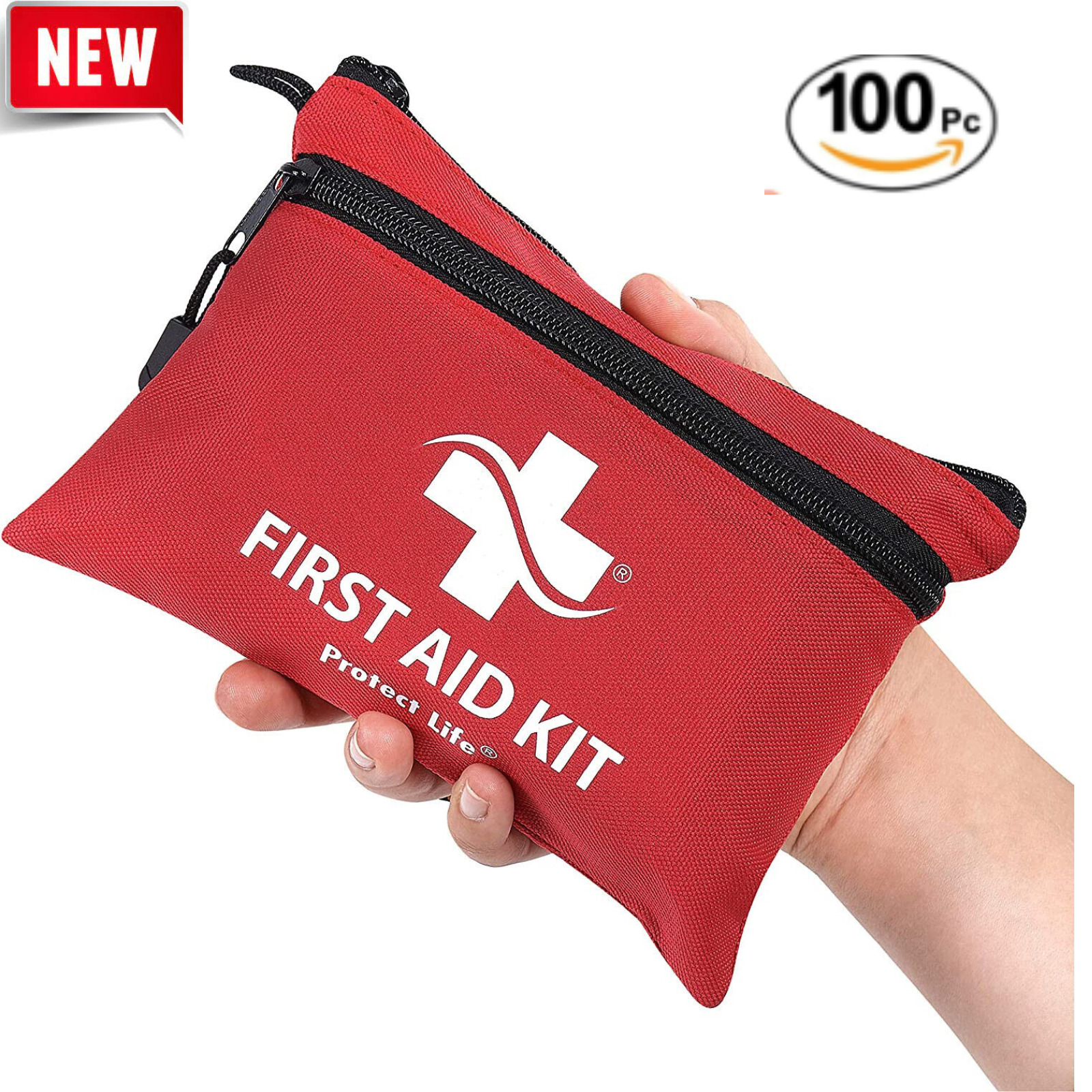
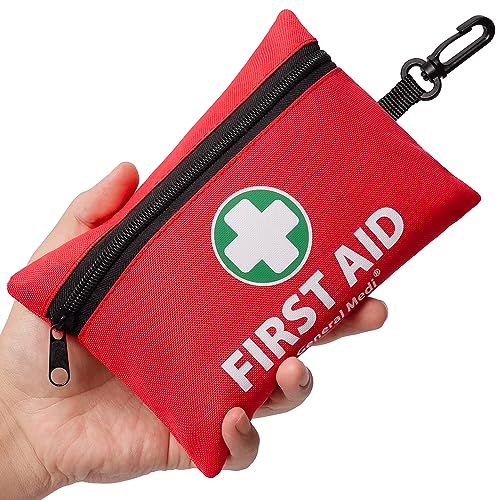
Accidents and medical emergencies can happen even in the safest of environments. Being prepared with a well-stocked first aid kit and basic medical knowledge is crucial. Here are some essential tips for handlingmedical emergencies while camping:
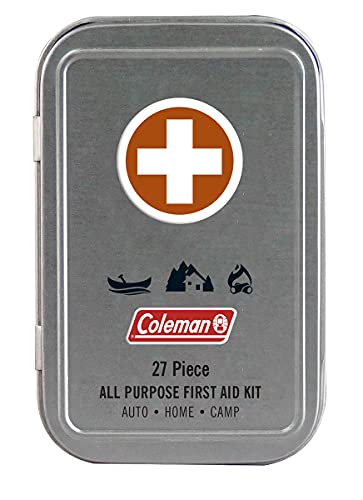
- Carry a First Aid Kit: Always have a well-stocked first aid kit that includes bandages, antiseptic ointment, pain relievers, and any necessary prescription medications.
- Learn Basic First Aid: Take a first aid and CPR course to learn essential life-saving skills. Knowing how to respond to common injuries and medical emergencies can make a significant difference.
- Know Emergency Numbers: Save emergency numbers in your phone and have them written down in case of no signal. This includes local emergency services and the nearest medical facilities.
- Be Prepared for Common Injuries: Anticipate common camping injuries such as cuts, burns, sprains, and insect bites. Pack appropriate supplies to treat these injuries in your first aid kit.
- Stay Updated on Personal Health: If you have any pre-existing medical conditions, ensure you have an ample supply of necessary medications and inform your camping companions about your condition.
Frequently Asked Questions (FAQ)
Q1: How can I protect myself from mosquito bites while camping?
A1: To protect yourself from mosquito bites while camping, use insect repellent containing DEET, wear long sleeves and pants, and consider using a mosquito net around your sleeping area. [^1^]
Q2: Are there any precautions I should take to prevent food poisoning while camping?
A2: Yes, there are several precautions you can take to prevent food poisoning while camping. This includes keeping food stored in airtight containers, cooking meat thoroughly, and washing hands and utensils before handling food. [^2^]
Q3: What should I do if I encounter a snake while camping?
A3: If you encounter a snake while camping, it is important to remain calm and slowly back away. Do not attempt to touch or provoke the snake. Give it space and allow it to move away on its own. [^3^]
Q4: How can I stay safe from ticks while camping?
A4: To stay safe from ticks while camping, wear long sleeves and pants, tuck your pants into your socks, use insect repellent with DEET, and perform regular tick checks on yourself and your camping companions. [^4^]
Q5: What precautions should I take to prevent wildfires while camping?
A5: To prevent wildfires while camping, follow these precautions: check for fire restrictions, use designated fire rings or pits, keep a bucket of water nearby, fully extinguish the fire before leaving, and never leave a fire unattended. [^5^]
Conclusion
Camping can be a thrilling and rejuvenating experience, but it is essential to prioritize safety. By being aware of the potential risks and taking necessary precautions, you can mitigate these risks and ensure a safe and enjoyable camping trip. Remember to research the local wildlife, practice campfire safety, stay informed about weather conditions, navigate carefully, and be prepared for medical emergencies. With these insights and tips, you can embark on your camping adventure with confidence and peace of mind.
Remember, nature is beautiful but can also be unpredictable. Stay safe, respect the environment, and have a fantastic camping experience!