Safe Camping Water Purification Tips & Tricks
Did you know that over 90% of the world's fresh water supply is not readily accessible for human use, and much of the surface water that is available requires treatment before it is safe to drink? This staggering reality hits home for savvy outdoor visitors who embark on backcountry trips and international travel. Venturing into the great outdoors means ensuring you have safe hydration practices, including the use of a portable water filter or a UV light water purifier to guard against waterborne threats.
In the embrace of nature, where one would expect purity and tranquility, invisible perils lurk in even the clearest stream. Whether you're a seasoned explorer or newly initiated into the realm of outdoor adventures, understanding and employing effective water treatment outdoors is crucial for a safe and enjoyable experience.
Key Takeaways
- Surface water should always be treated, regardless of how clean it appears, to ensure safety against pathogens.
- Using a portable water filter or a UV light water purifier can provide safe drinking water, even in remote locations.
- Water treatment is a critical component of any outdoor adventure or international travel to prevent illness from waterborne threats.
- Always carry a backup water treatment system to contend with uncertain water sources on backcountry trips.
- Diligence in purifying natural water sources is vital for all outdoor enthusiasts for sustaining health and safety while enjoying the wilderness.
Understanding the Risks: Waterborne Pathogens
The great outdoors beckons with its pristine landscapes and natural water sources. Yet, despite their clear appearance, these water bodies may harbor invisible threats that can have profound impacts on your health. Understanding the risks associated with drinking untreated backcountry water is crucial for any outdoor enthusiast or international traveler.
Identifying Common Pathogens in the Wild
In the seemingly pure waters of the wild, a multitude of pathogens await. These include alarming protozoa such as Giardia lamblia and Cryptosporidium, both known for causing grievous gastrointestinal discomfort. Bacteria like E. coli, and various viruses, including Hepatitis A, can also pervade these natural reservoirs. If you're filling your hydration bladders with untreated water, you may unwittingly ingest a gut-seeking microbe leading to symptoms like diarrhea and significant dehydration.
Why Filtering and Purifying Water is Essential
To sip confidently from nature's streams and rivers, water treatment for international travel and backcountry excursions isn't just recommended, it's a necessity. Even a small colony of fewer than a dozen microbes can wreak havoc within the human body. Modern water purification systems play a pivotal role in safeguarding against these microscopic invaders, proving especially vital when confined water sources such as hydration bladders are in use. By utilizing methods such as purification tablets and UV light purifiers, you can effectively neutralize the threat posed by these pathogens.
Principles of Leave No Trace for Water Sources
When venturing into the wilderness, the purity of the environment is paramount to the experience—not just for you, but for those who follow. Adhering to the Leave No Trace principles is a cornerstone to preserving the pristine nature of our cherished backcountry. By following these guidelines, we can all play a crucial role in safeguarding backcountry water quality and the wellbeing of natural water bodies.
https://www.youtube.com/watch?v=hODEilheaPc
How Your Actions Can Protect Water Quality
Being mindful of contaminated water sources is critical in the backcountry. It begins with simple actions such as establishing campsites at least 200 feet away from lakes and streams. This buffer zone helps prevent pollutants from entering the water, thereby protecting clean drinking water sources for humans and wildlife alike. Additionally, when it's time to wash yourself or your gear, carry water to wash with at a safe distance, and scatter strained dishwater.
Minimizing Impact on Natural Water Bodies
Personal hygiene should not come at the cost of nature's health. Pack hand sanitizer for a quick and effective way to clean your hands without affecting the water quality. It's a small but significant step that supports the Leave No Trace effort. Dispose of human waste following proper protocols, which often means using a portable latrine if you are far from established restroom facilities. By making these conscientious decisions, each of us contributes to the holistic effort of maintaining the natural purity of our natural water bodies.
Choosing the Right Water Collection Points
For outdoor enthusiasts, the quest for clear water often begins with identifying prime water collection points. Flowing water, typically found in streams or rivers, is generally preferred over stagnant or shallow water sources. This preference is chiefly due to the natural filtration effect of the riverbed, which significantly reduces the presence of sediment and silt. Moreover, moving water presents a less hospitable environment for pathogens, making it one of the most desirable clear water sources for outdoor hydration needs.
However, the clarity of water can sometimes be deceiving. Post-precipitation events can churn up normally pristine waterways, introducing a surge of organic matter, sediment, and bacteria, leading to temporarily murky water. In such situations, it's advisable to wait or seek out alternative collection points to avoid the increased complexity in water treatment that comes with lifted sediment and silt.
To aid in the selection process, consider the following table outlining key characteristics of various water sources:
| Water Source Type | Typical Characteristics | Considerations for Collection |
|---|---|---|
| Flowing Water | Clear, cool, moving water; Potentially lower pathogen presence | Ideal for collection; Less likely to contain high levels of sediment and silt |
| Mountain Springs | Cold, well-oxygenated water; Natural filtration | Generally safe for collection; Be mindful of the possible upstream contaminants |
| Stagnant Water | Still water; Higher temperature; Potential algal growth | Not recommended; If necessary, collect with caution and treat thoroughly |
| After Heavy Rain | Murky appearance; Elevated bacterial and sediment levels | Postpone collection if possible until water clarity improves |
When identifying the right spot to collect water, always aim for dynamic, clear water sources to ensure a safer starting point for water treatment. Should you find yourself confronted with murky or shallow water sources, further purification steps will be necessary to achieve the same quality of potable water. By exercising caution and making informed decisions on-site, one can significantly reduce the risk of ingesting untreated contaminants and enjoy the wilderness with the assurance of clean hydration.
Camping Water Purification: Methods and Options
Securing potable water while camping is paramount for health and safety, which is why understanding the various water purification methods is essential. In environments where access to safe water is uncertain, boiling water remains a time-honored technique, effective at killing bacteria, viruses, and parasites.
Advanced options like distillation can remove not only biological hazards but also chemical contaminants, though they require more complex setups. Portable solutions such as purification tablets offer convenience and simplicity, and are highly favored by backpackers.
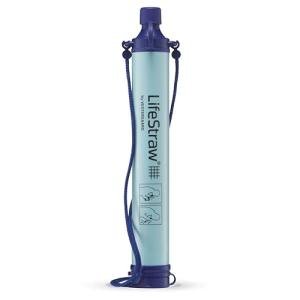
For those who prioritize practicality, carrying water filters is a must. They are designed to screen out impurities and biological contaminants efficiently while on the move. Meanwhile, UV rays treatment presents an innovative approach to purification, utilizing the power of sunlight to decontaminate water, provided the water is already filtered to enhance the efficacy of UV exposure.
Let’s take a closer look at each method’s highlights:
| Method | Description | Effectiveness | Portability |
|---|---|---|---|
| Boiling Water | Heating water to a rolling boil to kill pathogens. | High | Low (requires heat source) |
| Distillation | Vaporizing water and condensing back into a liquid to remove impurities. | Very High | Low (requires complex setup) |
| Purification Tablets | Using chemical tablets to deactivate contaminants. | High | High (lightweight and compact) |
| Water Filters | Physical filters that remove particles and biological matter from water. | Variable (depends on filter type) | High (small, easy to carry) |
| UV Rays Treatment | Applying UV light to clear pre-filtered water to inactivate microorganisms. | High (best with filtered water) | Medium (some devices are pocket-sized) |
Each method plays a significant role in transforming natural water sources into filtered water that is safe to drink. The practical application of any of these options largely depends on the specific camping context—availability of resources, environmental conditions, and personal preferences.
As a savvy outdoor adventure seeker, one should always be prepared with adequate knowledge and the necessary equipment to produce potable water in the wilderness.
Effective Use of Water Filters During Camping
For the nature-enthusiastic camper, knowing how to **treat water** with suitable **backpacking gear** is as essential as pitching a tent. Dive into the world of **water filters** with a clear perspective on **pump filters**, **gravity filters**, and **squeeze filters**, all designed to make your **backpacking trips** safer and more enjoyable.
Whether setting up camp by a serene lake or embarking on a vigorous trail, one truth remains: access to clean water is paramount.
**Pump filters** come in handy when you are settled in one spot, as they require a bit of manual effort to move water through the filtering elements. They're particularly effective for larger groups due to their ability to filter volumes of water without much fuss.
On the other end of the spectrum are **gravity filters**, which offer a hassle-free solution to **treat water**. Just fill up the reservoir, hang it from a tree or rock, and let gravity do the work for you. It's an excellent method for those who prefer to soak in the sights and sounds of the natural surroundings without interruption.
For the on-the-move adventurer, **squeeze filters** are the ultimate companion. They're compact, lightweight, and simple to use—just fill up the pouch provided and **squeeze** the water through the filter into your mouth or bottle. It's the quintessential piece of **backpacking gear** for solo hikers and fast-packers.
To further understand the distinct advantages of each filter type, consider the following comparative insights:
| Filter Type | Best Use Scenario | Convenience Level | Flow Rate |
|---|---|---|---|
| Pump Filters | Stationary, Groups | Moderate | High |
| Gravity Filters | Semi-stationary, Multi-use | High | Variable |
| Squeeze Filters | On-the-go, Solo | High | Low to Moderate |
While convenience and flow rate are key factors, one must also consider factors such as durability, ease of cleaning, and filter lifespan.
- Ensure your filter meets the local requirements for pathogen removal.
- Regular backflushing of your filter can extend its life and maintain a good flow rate.
- Always have a backup purification method in case of filter failure or clogging!
Embracing these filtration methods will significantly improve your wilderness experience, granting you peace of mind and the freedom to explore the backcountry's rugged beauty without the worry of inadequate hydration. Above all, remember that water is the lifeblood of the wilderness, and how you choose to **treat water** should reflect the respect and care for the environment that it deserves.
Chemical Treatments: Purification Tablets in Focus
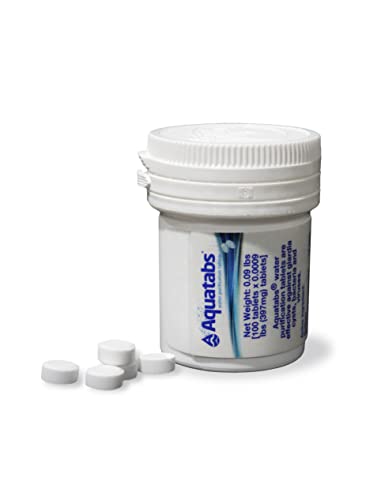
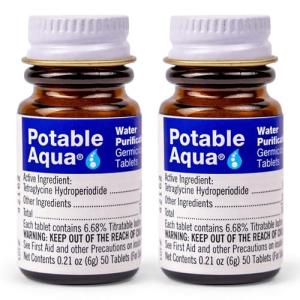
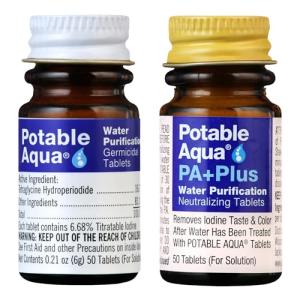
When venturing into areas where access to safe drinking water is uncertain, carrying effective water purification techniques is crucial. One such reliable method involves the use of purification tablets, a compact solution designed to combat contaminated water. These tablets, typically imbued with iodine or chlorine dioxide, represent a vital component of a traveler’s arsenal against harmful microorganisms like Giardia and Cryptosporidium. Each chemical offers distinct advantages and limitations as part of broader water purification techniques essential for health and safety during outdoor expeditions or international travel.
Pros and Cons of Using Iodine and Chlorine Dioxide
The decision between iodine and chlorine dioxide for water purification largely depends on the specific contaminated water treatment needs. Iodine has a long-standing history in water chemical treatments, but it may fall short in its effectiveness against certain protozoans such as Cryptosporidium. On the other hand, chlorine dioxide is recognized for its broader spectrum of action, including reliable outcomes against both Giardia and Cryptosporidium, positioning it as a versatile and potent option among purification tablets.
| Chemical Treatment | Effective Against | Not as Effective Against | Additional Notes |
|---|---|---|---|
| Iodine | Most bacteria and viruses | Cryptosporidium | Can leave an aftertaste; not suitable for those with iodine allergy or thyroid condition. |
| Chlorine Dioxide | Giardia, Cryptosporidium, bacteria, and viruses | N/A | Takes longer to act; better taste than iodine. |
Waiting Time and Effectiveness for Pathogen Removal
The efficacy of purification tablets also depends on the wait time after treatment, which can range from 30 minutes to several hours. For hikers and travelers who need to treat contaminated water rapidly, planning ahead is essential. Chlorine dioxide tablets, although they can take longer to act, ensure a high degree of safety by neutralizing a broad spectrum of pathogens, including those causing waterborne diseases. The treatment methods for effective pathogen removal usually recommend a waiting period to allow the chemical treatments to perform optimally, ensuring that the water is indeed safe to consume.
- Typical waiting time for iodine: 30 minutes to 1 hour (may vary with water temperature and quality).
- Typical waiting time for chlorine dioxide: at least 30 minutes for viruses and bacteria, and up to 4 hours for Cryptosporidium.
Carrying these treatment methods is straightforward, but understanding the nuances of their application is key to ensuring access to safe drinking water wherever your adventures may lead you.
Ultraviolet Light Purifiers: High-Tech Hydration
In an age where technology enhances our everyday experiences, it comes as no surprise that high-tech solutions for hydration have become a cornerstone in outdoor gear. Among these innovations, UV light purifiers stand out for their ability to neutralize bacteria and viruses with the simple press of a button. A closer look at their efficacy and practical uses in varied environments reveals why this form of purification has become indispensable for modern adventurers.
Understanding UV Purification and Its Efficacy
UV light purifiers operate on a simple yet powerful premise: ultraviolet light is capable of deactivating the DNA of microorganisms, rendering them harmless. When used in backcountry water treatment, these devices are effective against a spectrum of tiny invaders, including bacteria and viruses that can lead to gastrointestinal discomfort or worse. For those embarking on backcountry trips or traveling internationally, having a UV light purifier offers peace of mind that water from various sources can be made safe for consumption.
Practical Usage of UV Light Purifiers in Backcountry Trips
UV light purifiers have forged their place as a staple for explorers, thanks to their portability and field maintenance simplicity. Products like the LifeStraw Peak Squeeze amalgamate the convenience of a water bag with advanced UV purification, ensuring every sip from a mountain stream is as refreshing as it is safe. With their efficiency and ease of operation in the outdoors, these purifiers cater adeptly to the needs of those on the move, be it for leisurely hiking or more rigorous backcountry trips.
Comparative Analysis: While traveling, outdoor enthusiasts are often faced with the decision of which water purification method to trust. Below is a table comparing UV light purification with other popular methods, highlighting essential factors to consider for anyone planning their next adventure.
| Method | Effectiveness | Weight | Convenience | Field Maintenance |
|---|---|---|---|---|
| UV Light Purifier | High against all microorganisms | Lightweight | High (Instant) | Minimal |
| Water Filter | High against protozoa & bacteria | Variable | Medium (Filtration time) | Periodic cleaning required |
| Chemical Tablets | Varies with water condition | Very Lightweight | Low (Waiting period) | None |
| Boiling Water | High against all microorganisms | N/A (requires heat source) | Low (Time to boil & cool) | None |
As technology propels us toward more innovative solutions for safe drinking water, the use of UV light purifiers exemplifies how combining science with adventure can lead to safer, more enjoyable experiences — a boon for those who seek the undefeated path without compromising their well-being.
Boiling Water: The Time-Tested Purification Method
When it comes to making potable water in the wilderness or during international travel, boiling water stands as a pillar of water purification. Dating back to ancient times, the process of bringing water to a boil has been universally endorsed for its effectiveness against all types of pathogens, rendering treat water safe for consumption.
Regardless of the environment—be it cold water conditions or settings where clean water sources are in question—boiling is a steadfast approach. To ensure potable water, the Centers for Disease Control and Prevention (CDC) recommends that water should reach a rolling boil for at least 1 minute at altitudes of less than 6,500 feet and for 3 minutes at higher elevations. This simple, yet powerful method eradicates bacteria, viruses, and parasites, providing a reliable solution for adventurers and travelers alike.
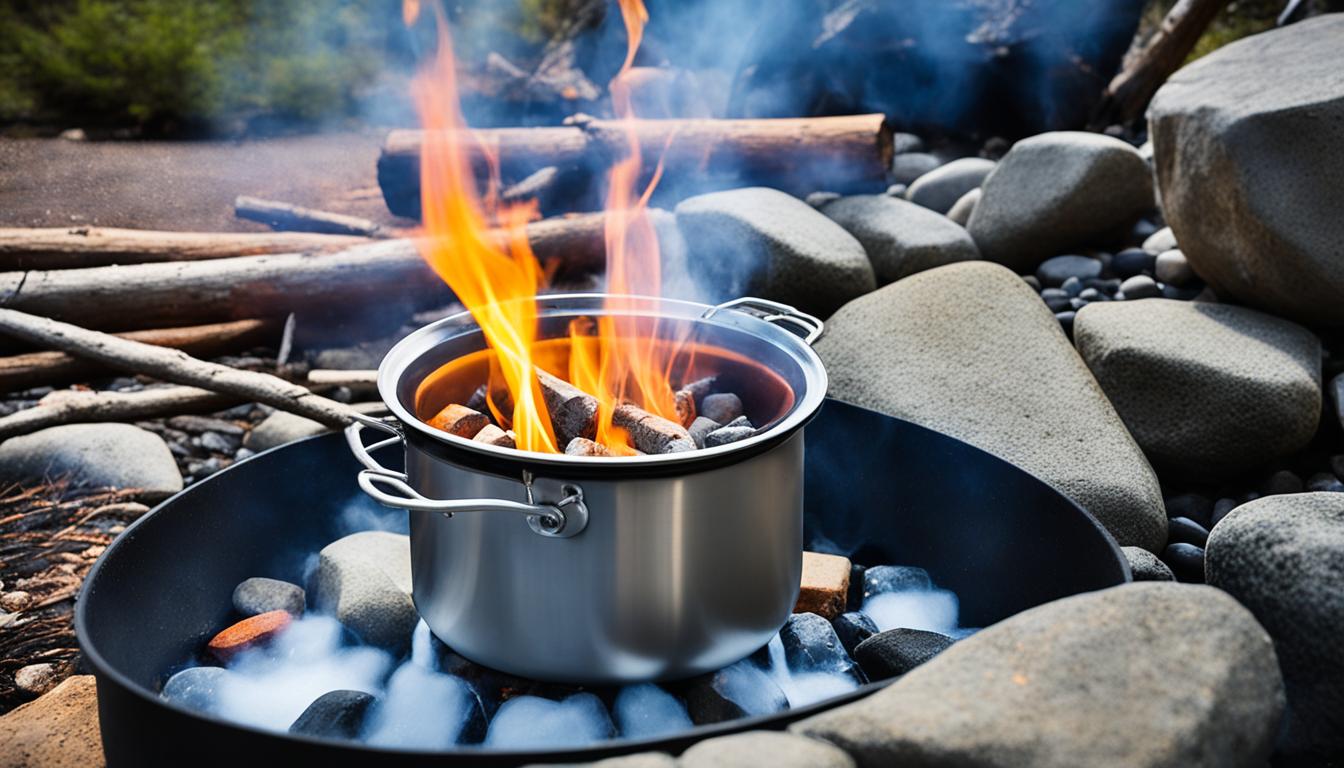
Here's how to effectively boil water for purification:
- Fill a pot with cold water from a trusted source. Clear water is preferable, as murky water may contain excess sediment.
- Place the pot over a heat source, such as a camping stove or open fire, and bring the water to a rolling boil.
- Once boiling, maintain the boil for at least 1 minute at lower elevations, and for 3 minutes above 6,500 feet.
- Let the water cool naturally without adding ice, as it could reintroduce contaminants.
- Store the boiled water in clean, sanitized containers with tight-fitting lids to prevent recontamination.
For those concerned about conserving fuel or unable to start a fire, solar water disinfection (SODIS) can serve as an alternative in sunny climates, although boiling remains the superior method for guaranteed potability.
| Method | Effectiveness | Convenience | Best Used In |
|---|---|---|---|
| Boiling | Highly effective against all pathogens | Requires heat source and waiting for cooling | Remote areas, camping, and high altitudes |
| SODIS | Effective in bright sunlight | Depends on weather conditions; takes longer | Sunny, equatorial regions |
In essence, the act of boiling is more than just a method to treat water; it is a lifeline for outdoor enthusiasts and global travelers. Boiling water serves as a universally accessible means to ensure potable water, highlighting its indispensable role in outdoor safety and hygiene. Despite the advent of modern technology, boiling persists as an unrivaled champion in water treatment, illustrating that sometimes, the simplest methods withstand the test of time.
Hydration Gear: From Hydration Bladders to Water Bags
Proper hydration gear is a crucial aspect of any outdoor adventure, ensuring that individuals remain hydrated in varying environmental conditions. Among the various options available, hydration bladders are especially favored for their convenience and significant water capacity, making them a mainstay in the packs of avid hikers and campers. These bladders often hold up to several liters of water, catering to both individual and group hydration needs.
For those seeking a more streamlined and lightweight option, the smartwater bottle and soft bottles offer flexibility and ease of use, making them perfect for personal water storage. The durability and practical design of these bottles allow for easy refills and accessibility when on the move. Moreover, some outdoor enthusiasts opt for a water bag, also referred to as a "clean" bag, ideal for use with gravity filters.
Below is a comparison of various hydration solutions and their respective water capacities, highlighting the range of possibilities when it comes to carrying and storing water on your excursions:
| Hydration Solution | Typical Use | Liters of Water | Features |
|---|---|---|---|
| Hydration Bladder | Backpacking, long hikes | 1 - 3 liters | Durable, large volume, compatible with backpacks |
| Smartwater Bottle | Day hikes, travel | Up to 1 liter | Lightweight, durable, screw-top for secure seal |
| Soft Bottle | Trail running, light packing | 0.5 - 1 liter | Collapsible, lightweight, easy to fill |
| Water Bag ("Clean" Bag) | Group camping, basecamps | 2 - 10 liters | High capacity, suitable for gravity filter systems, portable |
To manage your water supply effectively, consider the duration of your trip, the size of your group, and the nature of your activities when selecting your hydration gear. Whether you're solo backpacking and prefer the compactness of a soft bottle, or you're coordinating a group and need the substantial water capacity of a water bag, there's a solution to keep you efficiently hydrated on the trails.
Caring for Your Water Purification Equipment
When it comes to outdoor adventures, your water filtration system is your lifeline. That's why understanding the essentials of field maintenance and care for your gear is as important as the adventures you embark on. Longevity and efficiency of your equipment rely heavily on practices such as routine check-ups and cleaning, ensuring you always have access to backcountry water that's safe to consume.
Maintenance Tips for Long-lasting Gear Performance
To maintain the optimal performance of your water filtration system, you should regularly practice proper maintenance. This includes tracking the cartridge life to anticipate when replacement filters may be needed. A well-maintained filter is crucial for providing clean in the field water, thereby mitigating the risk of waterborne illnesses.
Often, the simplest actions can prolong the efficacy of your gear. For instance, after each use, practicing backflushing can prevent clogs and preserve the flow rate. Moreover, for those with a system under a lifetime warranty, keeping your gear in top condition will help you take full advantage of the policy should you need it.
Importance of Regular Cleaning and Storage Practices
Regular cleaning and appropriate storage are paramount for your purification equipment's durability. Cleaning after each outing prevents the accumulation of contaminants and the growth of harmful microorganisms within the system. Furthermore, storing your gear in a cool, dry place ensures that sensitive components such as membranes and cartridges do not degrade prematurely.
It's worth noting that during colder expeditions, it's vital to shield your filtration system from freezing temperatures, which can cause damage and render the system ineffective. Always disassemble and dry each component before storage to extend your equipment's life and performance.
https://www.youtube.com/watch?v=WxvAF_dh6-s
Water Purification Techniques for International Travel
For those indulging in international travel, safeguarding health through water purity is a predominant concern. Diverse qualities of tap water globally make portable water filters and purification tablets critically valuable allies in ensuring access to safe drinking water. As you embrace the adventure of traveling abroad, these tools bolster your resilience against unknown bacteria and viruses, particularly in regions where water quality might be questionable.
The best portable water purifiers offer travelers a lightweight, efficient means to avoid the risks associated with untreated water. Among well-known combatants to waterborne threats, Katadyn Micropur tablets emerge as a stalwart, their active ingredient unleashing a potent attack on pathogens. Similarly, Aquamira water treatment drops are lauded for their practicality and efficacy, providing purified water within minutes.
- Katadyn Micropur Tablets: Utilizes chlorine dioxide to render water safe from viruses, bacteria, and cysts.
- Aquamira Water Treatment Drops: Combines chlorine and phosphoric acid for an effective duo against typical waterborne pathogens.
- Best Portable Water Filters: Various models employ mechanical filtration to eliminate particulates and contaminants.
The significance of field maintenance for these devices cannot be overstated. Regular cleansing of your purifier mitigates the accumulation of contaminants and ensures the longevity of your device. Whether using simple shaking techniques or performing a backflush, keeping your purification system in top condition is as crucial as the treatment it provides.
If ever in doubt about the quality of your tap water during your international sojourns, take the safe route. Arm yourself with a trustworthy, portable water filter and couple it with reliable purification tablets to quell any fears about water safety. With the right preparation and maintenance, travelers can enjoy the liberating essence of exploring the world, waterborne worries left behind.
Conclusion
Ensuring the availability of clean drinking water is not just about convenience but a critical concern for health and safety during outdoor escapades. Through stringent water purification practices, savvy adventurers take key steps in safeguarding their well-being. The topics covered in this guide are designed to steer you toward methods and gear that provide the confidence needed when venturing into the great outdoors.
Summarizing the Best Practices for Safe Hydration
Throughout our exploration, we have pinpointed various threats that lurk within seemingly pristine water sources and offered solutions through tried-and-true water filtration systems for outdoor adventures. Whether your journey leads you through remote wilderness or into different countries, understanding how to choose a camping water filter that's apt for your needs is paramount. The selection of top-rated camping water treatment options detailed should guide both novice and seasoned hikers in making informed decisions for securing potable water.
Encouraging Responsible Water Purification in Nature
Finally, we emphasize the importance of maintaining the purity of natural water sources by following Leave No Trace principles. Adhering to lightweight water purification methods not only serves the individual but also reflects our collective responsibility towards the environment. By selecting appropriate water cleansing strategies, we ensure that the trails we love remain untarnished for endless future adventures. The essence of outdoor stewardship is to leave the beauty of nature undisturbed, and responsible water purification is a cornerstone of this philosophy.
FAQ
What are the main waterborne pathogens to be aware of during outdoor adventures?
The primary waterborne pathogens to watch out for are protozoa like Giardia lamblia and Cryptosporidium, bacteria such as E. coli, and viruses including Hepatitis A. These can all be present in backcountry water sources and may cause illnesses if consumed untreated.
How does one adhere to Leave No Trace principles in regard to water sources?
Adhering to Leave No Trace principles involves actions such as camping at a safe distance from water bodies, disposing of waste properly, and using hand sanitizer to maintain personal hygiene, all of which help protect and preserve backcountry water quality.
Why is it important to choose the right water collection points?
Selecting the right water collection point is critical because less contaminated water, ideally from clear, flowing sources, requires less treatment and is less likely to harbor harmful pathogens compared to stagnant or murky water.
What are the various methods available for camping water purification?
There are several methods available, including boiling water, distillation, using purification tablets, carrying water filters, and treating water with UV rays. Each method serves to neutralize potential pathogens and make the water potable.
How do pump filters, gravity filters, and squeeze filters differ?
Pump filters are good for stationary water sources, as they mechanically push water through a filter. Gravity filters use the natural force of gravity to filter water in a more passive manner. Squeeze filters are portable and allow users to filter water on the go by squeezing it through a filter.
What are the pros and cons of using iodine and chlorine dioxide for water treatment?
Iodine is easy to use but may not be as effective against Cryptosporidium, while chlorine dioxide can handle a broader range of pathogens, including both Giardia and Cryptosporidium. However, chlorine dioxide has a waiting time that can be up to 4 hours for maximum effectiveness.
How effective are UV light purifiers for hydration during backcountry trips?
UV light purifiers are highly effective at eradicating bacteria, viruses, and protozoa, provided the water has been pre-filtered to clarity. They are a quick and high-tech solution ideal for travelers who need lightweight and reliable purification tools.
How long does one need to boil water to make it safe to drink?
You should boil water for at least 1 minute at sea level and for 3 minutes at altitudes above 6,500 feet to effectively kill all types of pathogens, making the water safe for consumption.
What are the benefits of using hydration bladders and water bags?
Hydration bladders and water bags offer convenient and efficient water storage and transport solutions for outdoor activities. They come in various sizes to suit personal or group needs and can be easily integrated with water filtration systems.
How do you maintain and care for water purification equipment?
Proper maintenance includes regular cleaning and backflushing, preventing filters from freezing, being cautious with storage, and performing field maintenance as needed. For gear with a lifetime warranty, it is important to pay attention to the cartridge life and have replacement filters on hand.
What water purification techniques are recommended for international travel?
For international travel, portable water filters, as well as purification tablets like katadyn micropur tablets and aquamira water treatment drops, are recommended. They provide a reliable way to access safe drinking water, especially in areas where tap water may be questionable.