How to Choose the Best Camping Water Purification System
Camping in the great outdoors can be a wonderful experience filled with adventure and exploration. However, staying hydrated with safe drinking water is crucial for a successful trip. To ensure you have access to clean and safe water during your camping expeditions, choosing the right water purification system is essential. Here is a comprehensive guide to help you select the best camping water purification system.
Understanding Your Water Purification Needs
Before choosing a water purification system for your camping trip, consider the location and duration of your adventure. Assess the water sources available at your camping site, such as streams, lakes, or rivers. If you will be traveling to different locations, a versatile purification system may be more suitable. Understanding your specific water purification needs will help you select the most effective solution.
Types of Water Purification Systems
There are various types of water purification systems available for camping purposes. Common options include water filtration pumps, gravity filters, ultraviolet (UV) purifiers, chemical water treatments, and water purification tablets. Each type of system has its pros and cons in terms of effectiveness, convenience, and ease of use. Consider factors such as weight, speed of filtration, maintenance requirements, and filtration capabilities when choosing the right system for your needs.
Factors to Consider When Choosing a Water Purification System
When selecting a camping water purification system, consider the following factors:
-
Portability: Opt for a lightweight and compact system that is easy to carry during your camping adventures.
-
Filtration Capacity: Choose a system that can handle the volume of water you anticipate needing during your trip.
-
Ease of Use: Select a system that is user-friendly and does not require complex setup or maintenance procedures.
-
Effectiveness: Ensure that the purification method used by the system is capable of removing common contaminants and pathogens found in natural water sources.
Maintenance and Care Tips
Proper maintenance of your camping water purification system is essential to ensure its longevity and effectiveness. Follow these tips to care for your system:
- Regularly clean and sanitize the components of your water purification system according to the manufacturer's instructions.
- Inspect the system for any signs of damage or wear before each use.
- Replace filters or purification elements as recommended by the manufacturer to maintain optimum performance.
By choosing the right camping water purification system and properly maintaining it, you can stay hydrated and healthy on the trail. Enjoy your outdoor adventures with peace of mind knowing that you have access to safe and clean drinking water wherever your journey takes you.
Different Methods of Water Purification for Backpacking
Camping and backpacking in the great outdoors can be incredibly rewarding experiences, but access to clean drinking water is essential to stay hydrated and healthy on the trail. Being able to purify water from natural sources such as streams, rivers, and lakes is crucial for any outdoor adventure. In this ultimate guide, we will explore different methods of water purification that backpackers can use to ensure their water is safe to drink.
Boiling Water
Boiling water is one of the most effective methods of water purification in the wild. By bringing water to a rolling boil for at least one minute (or three minutes at higher altitudes), you can kill bacteria, parasites, and viruses that may be present in the water. Once the water has cooled down, it is safe to drink.
Water Filtration
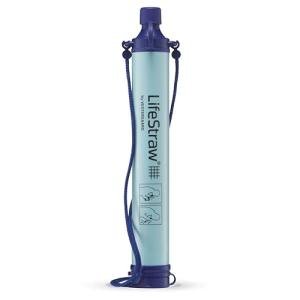
Water filtration systems are portable devices that work by physically straining out bacteria, protozoa, and debris from the water. These systems often use a combination of ceramic filters, activated carbon, and sometimes iodine resin to effectively purify water. Filtration systems vary in size and style, from pump filters to gravity filters, and are a popular choice among backpackers for their convenience and reliability.
Water Purification Tablets
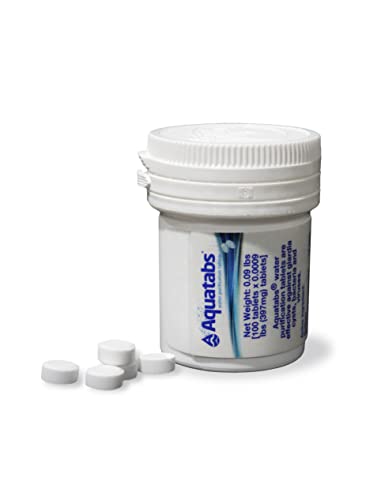
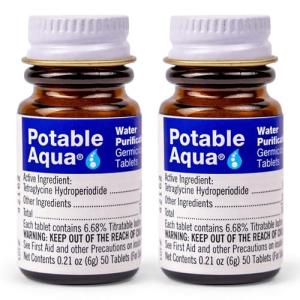
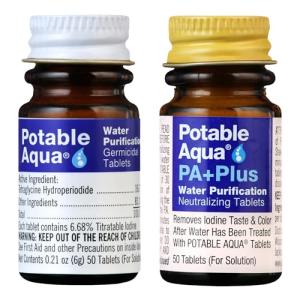
Water purification tablets are another lightweight and convenient option for treating water in the backcountry. These tablets typically contain chemicals such as chlorine dioxide or iodine, which work to kill bacteria, viruses, and protozoa. While they are easy to use and carry, it's essential to follow the instructions carefully to ensure effective purification.
UV Water Purifiers
UV water purifiers use ultraviolet light to kill bacteria, viruses, and protozoa in water sources. These devices are compact, lightweight, and easy to use, making them a popular choice for backpackers looking for a fast and effective way to purify water on the trail. UV purifiers are particularly useful for water that may contain viruses that are resistant to other purification methods.
Summary
When venturing into the wilderness, ensuring access to safe drinking water is paramount for a successful outdoor experience. By using methods such as boiling water, water filtration, purification tablets, or UV water purifiers, backpackers can stay hydrated and healthy on the trail. Each method has its advantages and limitations, so it's essential to choose the one that best suits your needs and preferences. Remember always to prioritize water safety to make the most of your camping or backpacking adventure.
Importance of Hydration While Camping and Hiking
Staying hydrated while camping and hiking is crucial for maintaining optimal health and performance during outdoor activities. To ensure you have access to clean and safe drinking water in the wilderness, it is essential to have a reliable water purification system in place. The Ultimate Guide to Camping Water Purification: Stay Hydrated and Healthy on the Trail will explore different methods and tools to help you obtain clean water while enjoying the great outdoors.
When engaging in physical activities such as hiking and camping, your body loses water through sweat and exertion. Dehydration can lead to fatigue, muscle cramps, and even more serious consequences if left untreated. Therefore, it is vital to prioritize hydration to maintain energy levels, regulate body temperature, and support overall well-being during your outdoor adventures.
Understanding Water Sources in the Wild
Natural water sources like lakes, rivers, and streams may appear clean but can be contaminated with various pathogens and impurities. Consuming untreated water from these sources can result in gastrointestinal issues and other waterborne illnesses. It is important to treat any water obtained from outdoor water bodies before drinking to avoid potential health risks.
Choosing the Right Water Purification Method
There are several methods available for purifying water in camping and hiking settings. Boiling water is one of the most effective ways to kill bacteria, viruses, and protozoa that may be present. Filtration systems, using tools such as portable water filters or purifiers, can help remove sediment and impurities, providing you with safe drinking water. Additionally, chemical treatments like water purification tablets or drops can be used as a convenient and lightweight option for water disinfection.
Best Practices for Water Purification in the Outdoors
To ensure proper hydration and water safety while camping or hiking, follow these best practices:
- Plan ahead and research the water sources available along your route.
- Carry an adequate supply of water or be prepared to purify water as needed.
- Regularly clean and maintain your water purification equipment to ensure effectiveness.
- Be cautious of water sources near campsites or trails and prioritize safety when collecting water.
- Educate yourself on local water quality concerns and any specific recommendations for water treatment in the area.
By incorporating these practices and utilizing the right water purification methods, you can stay hydrated, healthy, and enjoy your outdoor experiences to the fullest. Remember, proper hydration is not just essential for performance but also for your overall well-being while exploring the beauty of nature on the trail.
Tips for Maintaining and Cleaning Your Water Purification Equipment
When it comes to camping and hiking adventures, ensuring access to clean and safe drinking water is essential for staying hydrated and healthy on the trail. The Ultimate Guide to Camping Water Purification will help you navigate the various methods available to treat water from natural sources such as rivers, lakes, and streams. By following these tips, you can maintain and clean your water purification equipment to ensure its effectiveness during your outdoor excursions.
Importance of Cleaning Water Purification Equipment
Regular cleaning of water purification equipment is crucial to prevent the buildup of dirt, debris, and contaminants that can affect the quality of the treated water. Neglecting to clean your equipment can compromise its performance and put you at risk of consuming unsafe water, leading to potential health issues during your camping trip.
Cleaning Procedures for Water Filters
-
Backflush Water Filters: For pump-style water filters, backflushing is a common cleaning method to dislodge trapped particles in the filter cartridge. Follow the manufacturer's instructions on how to properly backflush your water filter to maintain its efficiency.
-
Chemical Cleaning: Some water filters may require periodic chemical cleaning to remove stubborn contaminants or pathogens. Use a recommended cleaning solution or tablet provided by the manufacturer to disinfect the filter components.
-
Replace Filter Cartridges: Over time, filter cartridges can become clogged and less effective at removing impurities from water. It is important to replace filter cartridges as per the manufacturer's recommendations to ensure optimal filtration performance.
Maintenance Tips for UV Water Purifiers
-
Inspect UV Bulbs: UV water purifiers rely on ultraviolet light to kill bacteria and viruses in water. Regularly check the UV bulb for signs of damage or wear and replace it as needed to maintain the effectiveness of the purifier.
-
Battery Check: If your UV water purifier is battery-operated, ensure that the batteries are fully charged before your camping trip. Carry spare batteries to avoid running out of power when purifying water in remote locations.
Storage and Transportation of Water Purification Equipment
Proper storage and transportation of water purification equipment are essential to prevent damage and contamination. Store your equipment in a clean and dry location when not in use, and pack it securely in your backpack during camping trips to avoid breakage or leaks.
By following these maintenance tips and best practices for cleaning your water purification equipment, you can enjoy safe and clean drinking water while camping or hiking in the great outdoors. Stay hydrated, stay healthy, and make the most of your wilderness adventures with properly maintained water purification gear.
Environmental Considerations when Purifying Water in the Wilderness
The Importance of Environmental Considerations in Water Purification
When embarking on a camping trip, ensuring access to safe and clean water is essential for staying hydrated and healthy on the trail. In the wilderness, water sources may be contaminated with various pathogens and impurities that can lead to serious illnesses if consumed untreated. Therefore, having the knowledge and tools to purify water effectively while considering environmental impacts is crucial for outdoor enthusiasts.
Understanding Water Sources in the Wilderness
Before purifying water in the wilderness, it is important to understand the potential water sources available. Lakes, rivers, streams, and even puddles can serve as water sources while camping. However, it is essential to be cautious as these sources may contain harmful bacteria, parasites, or chemicals. Selecting the right water source for purification is the first step in ensuring safe drinking water during your outdoor adventure.
Eco-Friendly Water Purification Methods
When purifying water in the wilderness, it is important to choose eco-friendly methods that minimize environmental impact. Avoiding single-use plastics and chemicals that can pollute water sources is crucial. Opting for filtration systems, UV purifiers, or chemical treatments that are biodegradable and safe for the environment helps to preserve the natural beauty of the wilderness while ensuring access to clean water.
Leave No Trace Principles for Water Purification
Adhering to Leave No Trace principles is vital when purifying water in the wilderness. Minimize your impact on the environment by following guidelines such as dispersing dishwater at least 200 feet away from water sources and using established trails to access water. By practicing responsible water purification methods and respecting nature, you contribute to the conservation of fragile ecosystems and promote sustainability in outdoor recreation.
Balancing Hydration Needs with Environmental Responsibility
While staying hydrated is essential for a successful camping trip, it is equally important to balance hydration needs with environmental responsibility. Avoid excessive water consumption and wastage to minimize the strain on local water sources. By planning ahead and conserving water through efficient purification methods, you can enjoy your outdoor experience while protecting the environment for future generations.
Prioritizing environmental considerations when purifying water in the wilderness is key to staying hydrated and healthy on the trail. By understanding water sources, choosing eco-friendly purification methods, following Leave No Trace principles, and balancing hydration needs with environmental responsibility, outdoor enthusiasts can enjoy clean water while minimizing their impact on the environment. Stay connected with nature and ensure a sustainable outdoor experience through responsible water purification practices.
Key Takeaway:
Key Takeaway:
Ensuring access to clean and safe drinking water is essential for a successful camping and hiking trip. By exploring how to choose the best camping water purification system, understanding the different methods of water purification for backpacking, emphasizing the importance of hydration while camping and hiking, learning tips for maintaining and cleaning water purification equipment, and considering the environmental impact of water purification in the wilderness, campers can stay hydrated, healthy, and environmentally conscious on the trail. Prioritizing water safety and cleanliness not only enhances the overall camping experience but also promotes adventure sustainability and responsible outdoor practices.
Conclusion
As you embark on your next camping or hiking adventure, ensuring access to clean and safe drinking water is paramount for your health and well-being. Choosing the best camping water purification system is crucial in guaranteeing that you stay hydrated and healthy on the trail. Whether you opt for filtration, purification tablets, UV light, or boiling, each method has its unique advantages and considerations. Understanding the different methods of water purification for backpacking allows you to make an informed decision based on the specific needs of your trip.
Staying properly hydrated while camping and hiking is essential for maintaining energy levels, regulating body temperature, and overall performance. By having reliable water purification equipment, you can quench your thirst without worry and enjoy your outdoor experience to the fullest. Remember to drink water regularly throughout the day, especially in hot weather or at high altitudes. Hydration is key to avoiding dehydration, which can lead to serious health issues while out in the wilderness.
To ensure the longevity and efficiency of your water purification gear, proper maintenance and cleaning are necessary. Simple steps such as backflushing filters, following manufacturers' instructions, and storing equipment in a dry place can extend the life of your system. Regularly inspecting for damages or signs of wear and tear is vital to prevent malfunctions during your trip. By taking care of your water purification equipment, you can rely on it for clean drinking water on all your outdoor excursions.
When purifying water in the wilderness, consider the environmental impact of your methods. Minimize waste by choosing reusable or recyclable purification systems and avoiding single-use plastics whenever possible. Be mindful of local water sources and regulations to protect natural habitats and wildlife. By practicing Leave No Trace principles and adopting eco-friendly habits, you can enjoy the outdoors responsibly and sustainably.
Prioritizing water purification while camping or hiking is crucial for both your health and the environment. By selecting the right purification system, understanding hydration needs, maintaining equipment properly, and considering environmental implications, you can stay hydrated and healthy on the trail while minimizing your ecological footprint. With these ultimate guidelines for camping water purification, you are equipped to make the most of your outdoor adventures while staying safe, hydrated, and environmentally conscious. Embrace the beauty of nature while taking care of yourself and the planet for a fulfilling and sustainable outdoor experience.