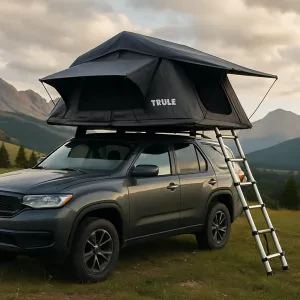
Have you ever dreamed of escaping the hustle and bustle of everyday life and immersing yourself in nature? Boondocking, also known as dispersed camping, is a fantastic way to do just that. Did you know that over 1 million Americans go boondocking each year? This off-the-grid camping style allows you to explore remote areas, enjoy breathtaking views, and disconnect from the stresses of modern life. However, boondocking requires careful planning and preparation to ensure a safe and enjoyable experience. In this ultimate guide, we'll dive into the world of boondocking, sharing essential tips, tricks, and the best locations for free camping across the United States. Whether you're a seasoned adventurer or a curious beginner, get ready to embark on an unforgettable journey into the heart of the great outdoors.
What is Boondocking and How Does it Differ from Traditional Camping?
Boondocking, also known as dispersed camping, is a unique way to experience the great outdoors. Unlike traditional camping in established campgrounds, boondocking involves camping in remote, undeveloped areas without amenities like water, electricity, or toilets.
The main differences between boondocking and traditional camping are:
| Feature | Boondocking | Traditional Camping |
|---|---|---|
| Location | Remote, undeveloped areas | Established campgrounds |
| Amenities | None (no water, electricity, or toilets) | Often includes water, electricity, and toilets |
| Cost | Usually free | Requires a fee for campsite |
| Crowds | Minimal to no crowds | Can be crowded, especially during peak seasons |
| Experience | Immersive nature experience, more privacy | Less privacy, more structured environment |
[Boondocking vs Traditional Camping Comparison Table: This table outlines the key differences between boondocking and traditional camping, including location, amenities, cost, crowds, and overall experience.]
Benefits of boondocking:
- Escape crowds and enjoy more solitude
- Immerse yourself in nature
- Save money on camping fees
- Enjoy more flexibility in choosing your campsite
To get started with boondocking, you'll need a self-contained vehicle like an RV, campervan, or a well-equipped car for car camping. It's essential to plan ahead, bring sufficient water and food, and practice Leave No Trace principles to minimize your impact on the environment.
For more information on getting started with boondocking, check out this helpful YouTube video: Boondocking for Beginners
What are the Best Places to Go Boondocking in the United States?
The United States offers countless stunning locations for boondocking. From vast deserts to lush forests, there's something for every adventurer. Here are some of the best places to go boondocking in the US:
-
Bureau of Land Management (BLM) Land
- Managed by the US Department of the Interior
- Offers millions of acres of public land for boondocking
- Popular BLM boondocking locations include:
- Alabama Hills, California
- Quartzsite, Arizona
- Moab, Utah
-
National Forests
- Managed by the US Forest Service
- Allows dispersed camping in many areas
- Popular National Forest boondocking locations include:
- Coconino National Forest, Arizona
- Green Mountain National Forest, Vermont
- Sawtooth National Forest, Idaho
-
National Park Service Land
- While not all National Parks allow boondocking, some offer free camping in designated areas
- Popular National Park boondocking locations include:
- Death Valley National Park, California
- Badlands National Park, South Dakota
- Boundary Waters Canoe Area Wilderness, Minnesota
-
State Parks and Trust Lands
- Some state parks and trust lands allow boondocking
- Regulations vary by state, so always check local guidelines
- Popular state park boondocking locations include:
- Anza-Borrego Desert State Park, California
- Adirondack Park, New York
- Big Bend Ranch State Park, Texas
When choosing a boondocking location, consider factors like accessibility, weather conditions, and local regulations. Always practice Leave No Trace principles and respect the environment to ensure these beautiful locations remain pristine for future generations.
What Essential Gear Do You Need for a Successful Boondocking Trip?
To ensure a safe and enjoyable boondocking experience, it's crucial to have the right gear. Here's a list of essential items you'll need for your boondocking adventure:
-
Water Storage and Filtration
- Large water containers or tanks
- Water filtration system or purification tablets
-
Power Sources
- Solar panels and batteries
- Generator (use sparingly to minimize noise pollution)
-
Cooking and Food Storage
- Propane stove or grill
- Cooler or refrigerator (powered by solar or propane)
- Non-perishable food items
-
Sanitation and Waste Management
- Portable toilet or waste bags
- Biodegradable soap and hand sanitizer
- Trash bags for proper waste disposal
-
Navigation and Communication
- GPS device or smartphone with offline maps
- Satellite communicator or emergency beacon
- Two-way radios for group communication
-
Shelter and Bedding
- Tent, campervan, or RV
- Sleeping bags and pillows
- Insulation and ventilation for temperature control
-
Lighting
- Headlamps and flashlights
- Lanterns (battery-powered or propane)
-
Tools and Repair Kits
- Basic tool kit (hammer, pliers, screwdrivers, etc.)
- Tire repair kit and air compressor
- Duct tape and bungee cords for quick fixes
-
First Aid and Emergency Supplies
- Comprehensive first aid kit
- Prescription medications and personal care items
- Fire extinguisher and smoke detector
-
Clothing and Weather Protection
- Layered clothing for varying temperatures
- Rain gear and warm jackets
- Sun protection (hat, sunglasses, sunscreen)
By packing these essential items, you'll be well-prepared for your boondocking trip. Remember to customize your gear list based on your specific needs, the duration of your trip, and the location you'll be visiting.
Conclusion: Boondocking offers a unique and immersive way to experience the beauty of nature. By understanding the basics of boondocking, choosing the right location, and packing essential gear, you'll be well on your way to a successful and enjoyable adventure. Remember to always practice Leave No Trace principles, respect the environment, and prioritize safety in remote areas. With careful planning and preparation, boondocking can open up a world of opportunities for exploration and self-discovery. So, pack your bags, hit the road, and get ready to embrace the freedom and tranquility of boondocking in the great outdoors.
How Do You Find Free Camping Spots for Boondocking?
Finding free camping spots for boondocking is easier than you might think. Here are some resources and methods to help you locate the perfect boondocking site:
-
Public Land Agencies
- Bureau of Land Management (BLM)
- U.S. Forest Service (USFS)
- National Park Service (NPS)
- State Parks and Trust Lands
-
Online Resources
- Campendium
- FreeCampsites.net
- iOverlander
- The Dyrt
- Google Maps (search for "dispersed camping")
-
Mobile Apps
- Ultimate Campgrounds
- Boondocking & Free Camping
- Gaia GPS
- onX Offroad
-
Local Knowledge
- Talk to locals, such as park rangers or outdoor enthusiasts
- Visit visitor centers and ask for recommendations
- Join local online forums or Facebook groups
When searching for a boondocking spot, consider the following factors:
- Accessibility: Ensure your vehicle can safely reach the site
- Regulations: Check for any restrictions or permits required
- Amenities: Determine if the site has cell phone coverage or nearby water sources
- Leave No Trace: Choose sites that allow you to minimize your impact on the environment
Remember, always verify the current regulations and restrictions before setting up camp, as rules can change over time.
What are Some Tips for Conserving Water and Electricity While Boondocking?
Conserving water and electricity is crucial when boondocking to extend your stay and minimize your impact on the environment. Here are some tips to help you conserve these precious resources:
Water Conservation:
- Use a water filtration system to purify water from natural sources
- Install low-flow faucets and showerheads
- Use biodegradable soap for dishes and personal hygiene
- Collect and reuse greywater for tasks like watering plants
- Fix any leaks promptly to avoid wasting water
Electricity Conservation:
- Invest in solar panels and batteries for renewable energy
- Use energy-efficient appliances and light bulbs (LED)
- Minimize the use of high-wattage devices like hair dryers or electric heaters
- Turn off appliances and electronics when not in use
- Use manual alternatives when possible (e.g., hand-crank coffee grinder)
| Water Conservation Tips | Electricity Conservation Tips |
|---|---|
| Use a water filtration system | Invest in solar panels and batteries |
| Install low-flow faucets and showerheads | Use energy-efficient appliances and light bulbs |
| Use biodegradable soap | Minimize the use of high-wattage devices |
| Collect and reuse greywater | Turn off appliances and electronics when not in use |
| Fix any leaks promptly | Use manual alternatives when possible |
[Water and Electricity Conservation Tips Table: This table summarizes the key tips for conserving water and electricity while boondocking, making it easy for readers to reference and implement these strategies.]
By implementing these conservation strategies, you can significantly extend your boondocking experience and minimize your environmental impact. For more tips on sustainable boondocking, check out this informative YouTube video: Boondocking: How to Conserve Water and Electricity
How Do You Stay Safe and Secure While Boondocking in Remote Areas?
Staying safe and secure while boondocking in remote areas is essential for a positive experience. Here are some tips to help you prioritize safety and security:
-
Research the Area
- Learn about potential hazards, such as wildlife or extreme weather conditions
- Familiarize yourself with local emergency services and their contact information
-
Share Your Plans
- Inform friends or family about your boondocking location and itinerary
- Establish a check-in schedule to keep them updated on your safety
-
Vehicle Maintenance
- Ensure your vehicle is in good condition before embarking on your trip
- Carry a spare tire, jack, and basic tools for emergency repairs
-
Emergency Supplies
- Pack a comprehensive first aid kit and familiarize yourself with its contents
- Carry a satellite communicator or emergency beacon for remote areas without cell phone coverage
-
Campsite Selection
- Choose a site that is level, stable, and away from potential hazards like dead trees or flash flood zones
- Park in a manner that allows for a quick exit in case of an emergency
-
Fire Safety
- Follow local fire regulations and restrictions
- Keep a fire extinguisher easily accessible
- Properly extinguish all fires before leaving the site or going to sleep
-
Personal Security
- Keep valuables locked and out of sight
- Trust your instincts and relocate if you feel unsafe
- Consider traveling with a companion for added security
Remember, being prepared and aware of your surroundings is key to staying safe while boondocking. Always prioritize your well-being and don't hesitate to seek help if needed.
Conclusion: Boondocking offers a unique opportunity to immerse yourself in nature and experience the freedom of off-grid living. By finding the perfect camping spot, conserving water and electricity, and prioritizing safety and security, you can ensure a successful and enjoyable boondocking adventure. Remember to always practice Leave No Trace principles, respect the environment, and be prepared for any challenges that may arise. With the right knowledge, gear, and mindset, boondocking can open up a world of possibilities for exploration and self-discovery. So, embrace the spirit of adventure, step out of your comfort zone, and discover the beauty of boondocking in America's vast and diverse public lands.
What are Some Common Challenges Faced by Boondockers and How Can They Be Overcome?
While boondocking offers numerous benefits, it also comes with its own set of challenges. Here are some common challenges faced by boondockers and tips on how to overcome them:
-
Finding Suitable Campsites
- Challenge: Locating safe, legal, and accessible boondocking spots can be difficult.
- Solution: Use reliable resources like Campendium, FreeCampsites.net, and local knowledge to find suitable sites. Always have a backup plan in case your first choice doesn't work out.
-
Weather Conditions
- Challenge: Extreme temperatures, strong winds, and heavy precipitation can make boondocking uncomfortable or dangerous.
- Solution: Research the weather forecast for your destination and pack appropriate gear, such as insulation, ventilation, and weather-resistant clothing. Be prepared to adjust your plans if necessary.
-
Limited Resources
- Challenge: Boondocking often means limited access to water, electricity, and waste disposal facilities.
- Solution: Conserve resources by using efficient appliances, implementing water-saving techniques, and properly managing waste. Invest in solar panels, batteries, and water storage solutions to extend your stay.
-
Isolation and Emergency Situations
- Challenge: Boondocking in remote areas can lead to feelings of isolation and make it difficult to access help in emergency situations.
- Solution: Travel with a companion, share your plans with loved ones, and carry reliable communication devices like satellite communicators or emergency beacons. Learn basic first aid and vehicle maintenance skills.
-
Maintaining Personal Hygiene
- Challenge: Limited water supplies and lack of bathroom facilities can make maintaining personal hygiene difficult.
- Solution: Use biodegradable soap, hand sanitizer, and wet wipes for quick cleanups. Invest in a portable shower or solar shower bag for more thorough cleaning. Follow Leave No Trace principles when disposing of waste.
By being aware of these challenges and implementing practical solutions, you can minimize the impact of these issues and enjoy a more comfortable and successful boondocking experience.
How Do You Properly Dispose of Waste and Maintain Cleanliness While Boondocking?
Properly disposing of waste and maintaining cleanliness while boondocking is crucial for both personal hygiene and environmental conservation. Here are some tips to help you manage waste and keep your campsite clean:
-
Human Waste
- Use a portable toilet or dig a cathole (6-8 inches deep) at least 200 feet away from water sources, campsites, and trails
- Use biodegradable toilet paper and bury it in the cathole
- Cover the cathole with soil and disguise it with natural materials
-
Greywater
- Collect greywater (from dishes and personal hygiene) in a separate container
- Strain out solid particles and dispose of them in a trash bag
- Scatter the strained greywater at least 200 feet away from water sources and campsites
-
Trash and Recycling
- Follow the "Pack It In, Pack It Out" principle
- Separate trash and recyclables in designated bags or containers
- Dispose of waste properly in town or at designated facilities
-
Food Storage and Preparation
- Store food in airtight, animal-proof containers
- Keep your campsite free of food scraps and crumbs
- Wash dishes and utensils thoroughly with biodegradable soap
-
General Campsite Cleanliness
- Keep your campsite tidy and organized
- Inspect the area for any trash or debris before leaving
- Follow Leave No Trace principles to minimize your impact on the environment
| Waste Type | Disposal Method |
|---|---|
| Human Waste | Portable toilet or cathole (6-8 inches deep, 200 feet from water and campsites) |
| Greywater | Strain solids and scatter water 200 feet from water and campsites |
| Trash and Recycling | Pack it in, pack it out; dispose of properly in town or at designated facilities |
| Food Waste | Store in airtight, animal-proof containers; keep campsite free of scraps and crumbs |
[Waste Disposal Methods Table: This table summarizes the proper disposal methods for different types of waste generated while boondocking, making it easy for readers to reference and implement these practices.]
By following these guidelines, you can maintain a clean and hygienic campsite while minimizing your impact on the environment. Remember, the goal is to leave your boondocking site in the same or better condition than you found it.
What are Some Fun Activities to Enjoy While Boondocking?
Boondocking offers a wide range of exciting activities to enjoy in nature. Here are some fun ideas to keep you entertained during your boondocking adventure:
-
Hiking and Exploring
- Discover nearby trails and natural wonders
- Take in stunning views and observe wildlife
- Geocaching or orienteering for an added challenge
-
Stargazing
- Enjoy clear, dark skies away from light pollution
- Identify constellations and planets
- Capture stunning astrophotography
-
Campfire Activities
- Share stories and songs around the campfire
- Make s'mores or cook meals over the fire
- Play campfire games like charades or 20 questions
-
Outdoor Sports
- Fishing in nearby lakes, rivers, or streams
- Kayaking or canoeing to explore waterways
- Rock climbing or bouldering in suitable areas
-
Nature Photography
- Capture stunning landscapes and wildlife
- Practice macro photography with plants and insects
- Experiment with time-lapse or long-exposure techniques
-
Relaxation and Meditation
- Practice yoga or stretching in nature
- Engage in mindfulness or meditation exercises
- Read a book or journal about your experiences
-
Arts and Crafts
- Sketch or paint the surrounding landscapes
- Create nature-inspired crafts using found materials
- Practice outdoor skills like whittling or knot-tying
Remember to always prioritize safety and Leave No Trace principles when engaging in any outdoor activities. By immersing yourself in nature and trying new activities, you can make the most of your boondocking experience and create lasting memories.
Conclusion: Boondocking is an incredible way to escape the stresses of everyday life and reconnect with nature. By understanding the common challenges and how to overcome them, properly managing waste, and engaging in fun outdoor activities, you can ensure a safe, enjoyable, and rewarding boondocking experience. Remember to always prioritize safety, respect the environment, and practice Leave No Trace principles to preserve these beautiful landscapes for future generations. With the right preparation, mindset, and sense of adventure, boondocking can open up a world of possibilities for personal growth, self-discovery, and unforgettable memories. So, embrace the freedom of the open road, step out of your comfort zone, and discover the joys of boondocking in America's vast and awe-inspiring public lands.