Introduction
Have you ever found yourself in the middle of a camping trip when the skies suddenly open up, and the rain starts pouring down? Camping in the rain can be a challenging experience, but with the right preparation and mindset, it can also be an incredibly rewarding adventure. In this ultimate guide, we'll explore the joys and challenges of camping in wet conditions, and provide you with all the tips, tricks, and essentials you need to make your rainy camping trip a success.
Did you know that the world's wettest place, Mawsynram in India, receives an average annual rainfall of 11,872 millimeters (467.4 inches)? While you may not encounter such extreme conditions during your camping trip, being prepared for any level of rainfall is crucial to ensure a safe and enjoyable experience.
In this comprehensive article, we'll cover everything from choosing the right gear and setting up camp to staying dry and comfortable throughout your trip. We'll also discuss safety considerations, cooking techniques, and how to break camp and clean up in the rain. By the end of this guide, you'll be well-equipped with the knowledge and skills needed to embrace the challenges and rewards of camping in the rain.
$349.99
$195.83
4.88 out of 5 stars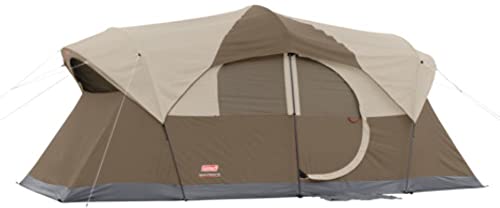
Coleman WeatherMaster 10-Person Family Camping Tent With Divider
Spacious and Comfortable Tent for Outdoor Family Adventures
Product information
Product Review Score
Product links
Preparing for a Rainy Camping Trip
The key to a successful rainy camping trip lies in thorough preparation. By taking the time to plan ahead and pack the right gear, you'll be better equipped to handle whatever Mother Nature throws your way.
Checking the Weather Forecast
Before embarking on your camping trip, it's essential to check the weather forecast for your destination. Understanding the different types of rainfall and their intensity can help you make informed decisions about your trip.
- Light rain: This type of rainfall is characterized by small, scattered drops that don't significantly impact visibility or outdoor activities.
- Moderate rain: Moderate rainfall is more steady and persistent, with larger drops that can create puddles and wet conditions.
- Heavy rain: Heavy rainfall is intense and can lead to reduced visibility, flooding, and potentially dangerous conditions.
If the forecast predicts severe weather or prolonged periods of heavy rain, it may be wise to postpone or cancel your trip to ensure your safety and comfort.
Choosing the Right Camping Gear for Wet Conditions

Having the right gear is crucial when camping in the rain. Invest in high-quality, waterproof, and water-resistant equipment to keep yourself and your belongings dry.
Tents
- Waterproof tents: Look for tents made with waterproof materials like silnylon or polyurethane-coated fabrics. These tents offer superior protection against rain and moisture.
- Water-resistant tents: While not completely waterproof, water-resistant tents provide a good level of protection in light to moderate rain conditions.
- Proper setup and sealing techniques: Ensure your tent is set up correctly, with a taut rainfly and properly sealed seams. Use seam sealers or tape to reinforce any potential leak points.
Sleeping Bags and Pads
- Insulation and moisture-wicking properties: Choose sleeping bags with synthetic insulation or water-resistant down, as they maintain their insulating properties even when damp. Opt for sleeping pads with moisture-wicking surfaces to keep you dry and comfortable.
- Waterproof stuff sacks and dry bags: Store your sleeping bag and other sensitive items in waterproof stuff sacks or dry bags to protect them from moisture.
Clothing and Footwear
- Layering systems: Dress in layers to adapt to changing weather conditions. Start with a moisture-wicking base layer, followed by an insulating mid-layer, and top it off with a waterproof and breathable outer layer.
- Waterproof jackets, pants, and boots: Invest in high-quality, waterproof, and breathable jackets, pants, and boots to keep you dry and comfortable in wet conditions.
Cooking and Food Storage
- Waterproof matches and fire starters: Pack waterproof matches or reliable fire starters to ensure you can start a fire in wet conditions.
- Sealed containers and coolers: Store your food in sealed, waterproof containers or coolers to prevent moisture from spoiling your supplies.
Packing Essentials for Camping in the Rain
In addition to your regular camping gear, there are a few essential items you should pack when camping in the rain:
- Tarps and extra stakes: Bring extra tarps to create additional shelter and protect your gear from the rain. Don't forget to pack extra stakes to secure your tarps and tent.
- Rope and paracord: These versatile items can be used for hanging wet clothing, securing tarps, and creating makeshift shelters.
- Microfiber towels and chamois cloths: Quick-drying microfiber towels and chamois cloths are perfect for drying off wet gear and wiping down surfaces.
- Plastic bags and trash bags: Use plastic bags to store wet items and keep them separate from your dry gear. Trash bags can be used as makeshift ponchos or to cover your backpack.
By carefully preparing and packing the right gear, you'll be well on your way to enjoying a successful and comfortable camping trip, even in rainy conditions.
Setting Up Camp in the Rain

Once you've arrived at your destination, it's time to set up camp. When camping in the rain, choosing the right location and properly setting up your site is essential to minimize the impact of wet conditions.
Choosing the Right Campsite
- Identifying high ground and natural drainage: Look for campsites on higher ground with good natural drainage. Avoid setting up camp in low-lying areas or depressions where water can collect.
- Avoiding low-lying areas and potential flood zones: Steer clear of areas near rivers, streams, or other bodies of water that may be prone to flooding during heavy rainfall.
Pitching Your Tent
- Using a footprint or ground cloth: Place a footprint or ground cloth under your tent to provide an extra layer of protection against moisture and to keep your tent floor clean and dry.
- Orienting the tent entrance away from the wind: Position your tent so that the entrance faces away from the prevailing wind direction to minimize the amount of rain that can blow into your shelter.
- Securing guy lines and stakes for stability: Use guy lines and stakes to secure your tent and provide additional stability in windy conditions. Make sure the guy lines are taut and the stakes are firmly planted in the ground.
Creating a Dry Outdoor Living Space
- Rigging tarps for additional shelter: Set up tarps over your tent or in common areas to create extra shelter from the rain. Use rope, paracord, and trees or poles to secure the tarps in place.
- Establishing a covered cooking area: Create a dedicated cooking area under a tarp or in a sheltered spot to keep your stove and food supplies dry while preparing meals.
- Designating a mudroom for wet gear: Set aside a small area near your tent entrance to store wet gear, such as boots and raincoats. This will help keep the inside of your tent clean and dry.
Staying Dry and Comfortable While Camping in the Rain
Camping in the rain can be a test of your resilience and adaptability. By employing a few key strategies, you can stay dry and comfortable throughout your trip.
Managing Moisture Inside Your Tent
- Ventilation techniques to prevent condensation: Promote air circulation inside your tent by opening vents or leaving a small gap between the rainfly and the tent body. This helps reduce condensation buildup.
- Using absorbent materials to control humidity: Place absorbent materials, such as newspaper, cloth, or moisture absorbers, inside your tent to help control humidity levels.
Keeping Your Gear Dry
- Storing items in waterproof containers: Use waterproof bags, stuff sacks, or containers to store your clothing, electronics, and other sensitive items.
- Hanging wet clothing and equipment to dry: Take advantage of breaks in the rain to hang wet clothing and gear on a clothesline or improvised drying rack to help them dry faster.
Maintaining Personal Hygiene
- Staying clean and dry to prevent hypothermia: Change out of wet clothing as soon as possible and maintain good personal hygiene to prevent hypothermia and other cold-related illnesses.
- Using compact and quick-drying towels: Pack compact, quick-drying towels, such as microfiber or chamois, to dry off after a shower or swim.
Engaging in Rainy Day Activities
- Indoor games and entertainment options: Bring along books, cards, board games, or other indoor entertainment to keep yourself occupied during prolonged periods of rain.
- Exploring nearby sheltered attractions: Research nearby attractions, such as caves, museums, or visitor centers, that offer sheltered activities during rainy weather.
By staying dry, comfortable, and entertained, you'll be better equipped to enjoy your camping trip, regardless of the weather conditions.
Cooking and Food Preparation in Wet Conditions
Cooking and preparing meals in the rain can be challenging, but with the right techniques and equipment, you can still enjoy delicious and satisfying food throughout your camping trip.
Building and Maintaining a Campfire in the Rain
- Techniques for starting a fire with wet wood: To start a fire in wet conditions, focus on finding dry tinder and kindling. Look for dry material under dense foliage, inside hollow logs, or in the center of large wood piles. Use a knife or ax to split larger logs and access the dry interior.
- Protecting your fire from the elements: Once you've started your fire, protect it from the rain by building a simple shelter using tarps or natural materials like large leaves or bark. Position the shelter so that it shields the fire from the wind and rain while still allowing smoke to escape.
Using Alternative Cooking Methods
- Portable stoves and fuel considerations: Portable stoves, such as canister or liquid fuel stoves, provide a reliable and efficient cooking method in wet conditions. Make sure to bring enough fuel and store it in a waterproof container.
- One-pot meals and foil packet recipes: Simplify your cooking process by preparing one-pot meals or foil packet recipes. These dishes are easy to cook on a stove or over a campfire and minimize cleanup.
Keeping Food Dry and Safe to Consume
- Proper food storage techniques: Store your food in waterproof containers or coolers to protect it from moisture and spoilage. Use resealable plastic bags or airtight containers for smaller items.
- Avoiding cross-contamination and spoilage: Practice good food safety habits by keeping raw and cooked foods separate, washing your hands and utensils regularly, and properly storing leftovers to avoid cross-contamination and spoilage.
Safety Considerations for Rainy Camping Trips

Camping in the rain can present unique safety challenges. By staying informed and prepared, you can minimize risks and ensure a safe and enjoyable trip.
Recognizing Signs of Hypothermia and Other Weather-Related Risks
- Symptoms and prevention measures: Familiarize yourself with the symptoms of hypothermia, such as shivering, confusion, and slurred speech. Prevent hypothermia by staying dry, wearing appropriate clothing, and maintaining proper nutrition and hydration.
- First aid and emergency treatment: Learn basic first aid techniques for treating hypothermia and other weather-related illnesses. Keep a well-stocked first aid kit in your camping gear and know how to use it.
Staying Informed About Local Weather Conditions and Alerts
- Using weather radios and mobile apps: Bring a weather radio or use mobile apps to stay informed about local weather conditions, forecasts, and alerts.
- Knowing when to seek shelter or evacuate: If severe weather is approaching or conditions become dangerous, know when to seek shelter or evacuate the area. Follow the advice of local authorities and have a plan in place for emergency situations.
Developing an Emergency Plan
- Communication and signaling devices: Pack communication devices, such as a mobile phone or two-way radio, and signaling equipment, like a whistle or flare, to call for help in case of an emergency.
- Designated meeting points and evacuation routes: Establish designated meeting points and evacuation routes with your camping group in case you become separated or need to leave the area quickly.
By prioritizing safety and being prepared for potential risks, you can confidently navigate the challenges of camping in the rain.
Breaking Camp and Cleaning Up in the Rain
When it's time to break camp and head home, it's important to do so efficiently and responsibly, even in wet conditions.
Packing Up Wet Gear Efficiently
- Techniques for folding and storing wet tents: Shake off as much water as possible from your tent before folding it. If you must pack a wet tent, focus on getting it into its stuff sack or storage bag quickly to minimize moisture transfer to other gear.
- Separating wet and dry items during transport: Keep wet gear separate from dry items during transport by using waterproof bags, stuff sacks, or plastic bags. This will help prevent moisture from spreading and make unpacking and drying easier when you get home.
Minimizing Environmental Impact
- Proper disposal of waste and wastewater: Practice Leave No Trace principles by properly disposing of waste and wastewater, even in wet conditions. Use designated waste receptacles or pack out your trash, and dispose of wastewater at least 200 feet away from water sources.
- Leaving no trace principles for wet conditions: Minimize your impact on the environment by staying on established trails, camping on durable surfaces, and avoiding damaging vegetation or disturbing wildlife.
Drying and Maintaining Gear Post-Trip
- Cleaning and reproofing waterproof materials: After your trip, clean and reproof your waterproof gear according to the manufacturer's instructions. This will help maintain the gear's performance and extend its lifespan.
- Storing gear properly to prevent mold and mildew: Dry your gear thoroughly before storing it to prevent mold and mildew growth. Use a fan or dehumidifier to speed up the drying process, and store gear in a cool, dry place with good air circulation.
Conclusion
Camping in the rain can be a unique and rewarding experience, offering a chance to connect with nature in a different way and test your outdoor skills. By embracing the challenges and being prepared with the right knowledge, gear, and mindset, you can turn a rainy camping trip into an unforgettable adventure.
Remember to:
- Choose the right gear and clothing for wet conditions
- Set up camp strategically to minimize the impact of rain
- Stay dry, comfortable, and safe throughout your trip
- Cook and prepare meals using alternative methods and proper food safety techniques
- Break camp efficiently and responsibly, following Leave No Trace principles
With this ultimate guide to camping in the rain, you now have the tools and information needed to plan your own rain-friendly outdoor excursion. Embrace the elements, step outside your comfort zone, and discover the beauty and resilience of nature, no matter the weather.
So, grab your gear, pack your sense of adventure, and get ready to make some unforgettable memories on your next rainy camping trip!