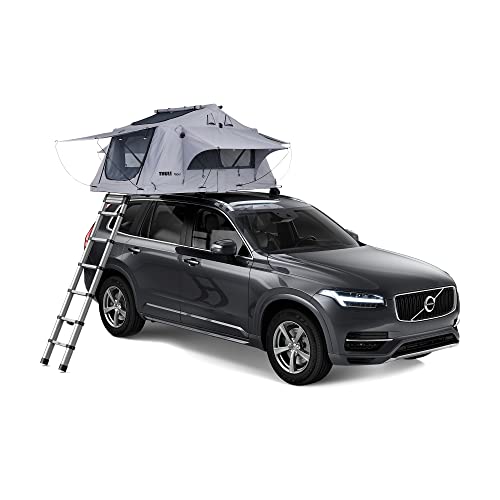
Rooftop Tent Camping: The Ultimate Guide for Adventurers
Introduction
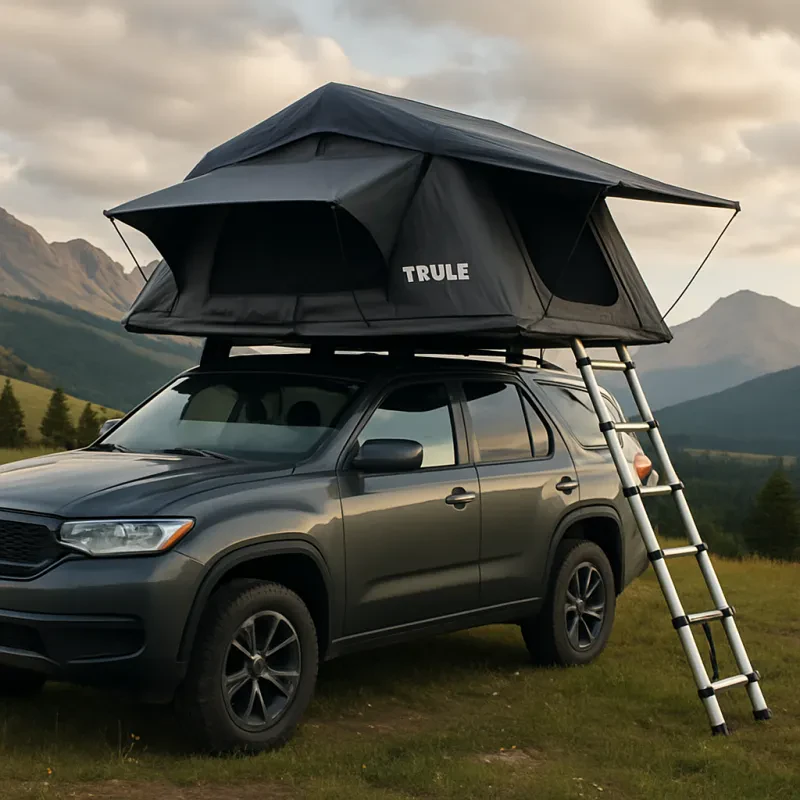
Are you ready to take your camping experience to new heights? Rooftop tent camping has been gaining popularity among outdoor enthusiasts, offering a unique and convenient way to explore nature. But what exactly is rooftop tent camping, and why should you consider it for your next adventure? In this comprehensive guide, we'll dive into the world of rooftop tents, covering everything from gear selection to setup tips, ensuring you have all the information you need for an unforgettable camping trip.
Key Takeaways
- Rooftop tents provide a safe, comfortable, and convenient camping experience
- Proper vehicle compatibility and roof rack systems are essential for successful rooftop tent camping
- Choosing the right rooftop tent depends on factors like capacity, weather resilience, and ease of setup
- Additional accessories can enhance the rooftop tent camping experience
Installation Ease: How easy is it to install a rooftop tent?
One of the first questions potential rooftop tent campers ask is, "How easy is it to install a rooftop tent?" The good news is that most rooftop tents are designed for straightforward installation. However, the initial setup might require some assistance, especially if you're new to the process[1].
When installing a rooftop tent, it's crucial to follow the manufacturer's instructions carefully. This will ensure that your tent is securely attached to your vehicle's roof rack system. While the installation process may seem daunting at first, with practice, you'll find that setting up your rooftop tent becomes quicker and easier over time.
Vehicle Compatibility: Will a rooftop tent fit on my vehicle?
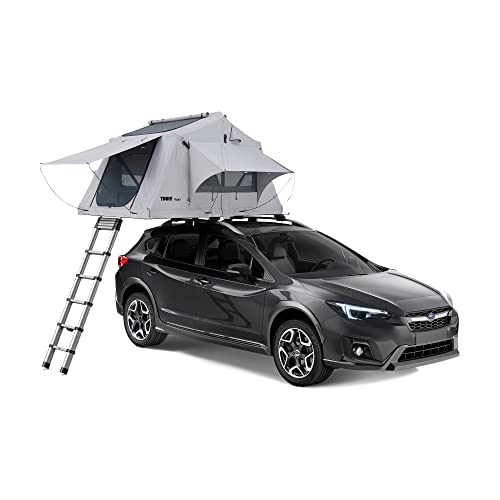
Before investing in a rooftop tent, it's essential to determine whether it will fit your vehicle. While rooftop tents can be mounted on a wide range of vehicles, including sedans and smaller cars, it's important to check the weight capacity of your roof racks[1].
SUVs, trucks, and larger cars are usually the best fit for rooftop tents due to their sturdy roof rack systems and higher weight capacities. However, always consult your vehicle's owner manual for specific information on roof rack load capacity. If you're unsure, reach out to rooftop tent manufacturers for advice on compatibility[1].
Capacity: How many people can a rooftop tent accommodate?
Rooftop tents come in various sizes, catering to different camping needs. There are options ranging from two-person tents to family-sized tents that can accommodate up to four or more people[1].
When choosing a rooftop tent, consider the number of people who will be using it regularly. Solo travelers or couples may opt for a more compact design, while families or groups of friends may require a larger tent with more sleeping space. Always check the tent's specifications for weight and occupant limits to ensure a safe and comfortable camping experience.
Weather Resilience: Are rooftop tents weatherproof?
One of the key advantages of rooftop tents is their ability to withstand various weather conditions. High-quality rooftop tents are designed to be weatherproof, featuring durable materials and adequate ventilation to keep you dry and comfortable[1].
When shopping for a rooftop tent, look for models made with water-resistant or waterproof fabrics, sealed seams, and sturdy construction. These features will ensure that your tent can handle heavy rain, strong winds, and other challenging weather conditions. Additionally, proper ventilation will help prevent condensation buildup inside the tent, keeping you and your gear dry.
Safety and Security: How safe and secure are rooftop tents?
Rooftop tents offer a unique sense of safety and security compared to traditional ground tents. By elevating you from the ground, rooftop tents provide a higher level of protection from curious wildlife and other potential hazards[1].
Many rooftop tents also come equipped with secure locking mechanisms, ensuring that you can safely store your belongings inside the tent when you're away from your campsite. This added security can provide peace of mind, allowing you to fully immerse yourself in your outdoor adventures.
Comfort Levels: Are rooftop tents comfortable?
Comfort is a top priority for many campers, and rooftop tents deliver in this aspect. Many users find rooftop tents more comfortable than traditional ground tents due to their built-in mattresses and the fact that they are elevated off the ground[1].
Most rooftop tents feature high-density foam mattresses that provide a supportive and comfortable sleeping surface. Additionally, being off the ground means you're less likely to feel the lumps and bumps of the terrain beneath you, resulting in a more restful night's sleep.
$849.00
4.26 out of 5 stars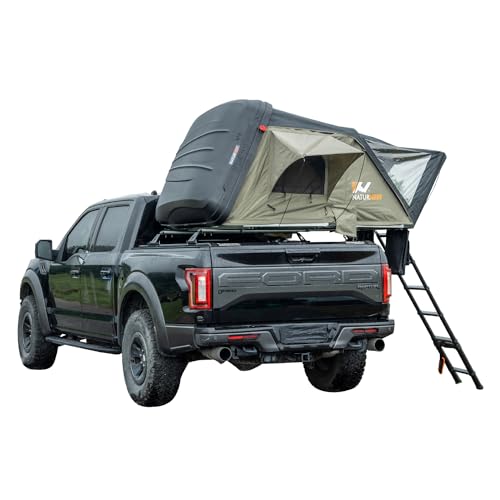
Naturnest Hard Shell Rooftop Tent for Camping, 3-Person
Experience ultimate comfort and convenience with the Naturnest Hard Shell Rooftop Tent for Camping, perfect for three campers
Product information
Product Review Score
Product links
Maintenance and Cleaning: How do you maintain and clean a rooftop tent?
Proper maintenance and cleaning are essential for ensuring the longevity of your rooftop tent. Fortunately, most rooftop tents are made with durable, easy-to-clean materials that simplify the upkeep process[1].
Regular airing out and wiping down surfaces are recommended to prevent moisture buildup and keep your tent fresh. After each camping trip, be sure to clean your tent thoroughly, removing any dirt, debris, or stains. Always follow the manufacturer's guidelines for cleaning and storage to maintain the integrity of your rooftop tent.
Driving Considerations: Can I drive with the tent installed on my vehicle?
One of the most common questions about rooftop tents is whether you can drive with the tent installed on your vehicle. The answer is yes, but there are some important considerations to keep in mind[1].
First and foremost, ensure that your rooftop tent is properly secured and folded down before driving. This will minimize wind resistance and prevent damage to your tent or vehicle. Additionally, be aware that the added height of the tent may affect your vehicle's handling and fuel economy, so adjust your driving accordingly.
Setup Time: How long does it take to set up a rooftop tent?
One of the major advantages of rooftop tents is their quick and easy setup. Most rooftop tents can be set up in under 15 minutes once you're familiar with the process[1].
Unlike traditional ground tents that require staking and pole assembly, rooftop tents typically involve unfolding the tent from its compact storage position and extending the ladder. This streamlined setup process allows you to spend more time enjoying your surroundings and less time fussing with complicated tent structures.
Additional Accessories: What accessories should I consider for rooftop tent camping?
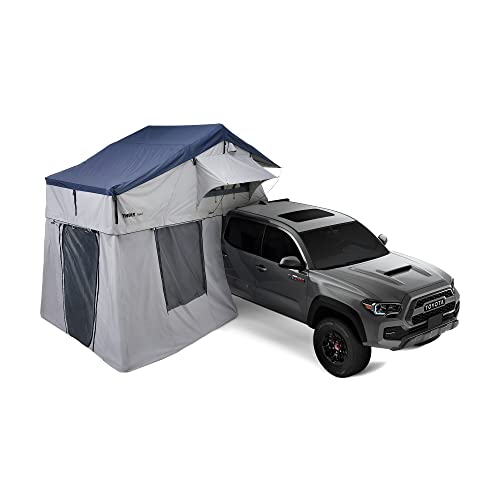
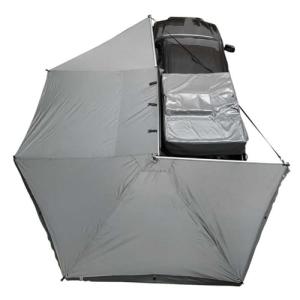
To enhance your rooftop tent camping experience, there are several accessories worth considering. Awnings, annexes, and upgraded mattresses are just a few examples of items that can make your camping trips even more enjoyable[1].
Awnings provide additional shade and shelter from the elements, while annexes can offer extra living space or storage. Upgraded mattresses, such as memory foam or self-inflating options, can further improve your comfort level. Consider your specific needs and preferences when selecting accessories for your rooftop tent setup.
Conclusion
Rooftop tent camping offers a unique and exciting way to explore the great outdoors. With their ease of installation, weather resilience, and comfort levels, rooftop tents have become increasingly popular among adventurers seeking a convenient and enjoyable camping experience.
By understanding the key considerations, such as vehicle compatibility, capacity, and maintenance requirements, you can make an informed decision when choosing a rooftop tent that suits your needs. As you embark on your rooftop tent camping journey, remember to prioritize safety, respect the environment, and embrace the freedom that comes with this innovative camping style.
A few more questions answered...
Frequently Asked Questions
-
Can I use a rooftop tent on any vehicle?
- While rooftop tents can fit on a wide range of vehicles, it's crucial to check your vehicle's roof rack weight capacity and consult with the tent manufacturer for compatibility advice.
-
How do I store my rooftop tent when not in use?
- Most rooftop tents fold down into a compact, weatherproof cover when not in use. Store your tent in a dry, cool place to maintain its condition.
-
Are rooftop tents suitable for cold weather camping?
- Yes, many rooftop tents are designed to handle various weather conditions, including cold temperatures. However, it's essential to choose a tent with appropriate insulation and ventilation for your specific needs.
-
Can I install a rooftop tent on my own, or do I need professional help?
- While it's possible to install a rooftop tent on your own, it's recommended to have someone assist you, especially during the initial setup. Always follow the manufacturer's instructions carefully.
-
Are rooftop tents more expensive than traditional ground tents?
- Rooftop tents are generally more expensive than ground tents due to their durable materials, built-in features, and specialized design. However, many users find the added comfort and convenience worth the investment.