The Ultimate Camping Packing List: Essentials vs Nice-to-Haves
Introduction
Camping is a wonderful way to reconnect with nature, unwind, and create lasting memories with friends and family. Whether you're a seasoned camper or a beginner, having a well-planned packing list is crucial to ensure a smooth and enjoyable camping experience. In this comprehensive guide, we will provide you with the ultimate camping packing list, categorized into essentials and nice-to-haves. We will also include some valuable tips and tricks to optimize your camping adventure. So, let's dive in!
Essentials
1. Tent and Sleeping Gear
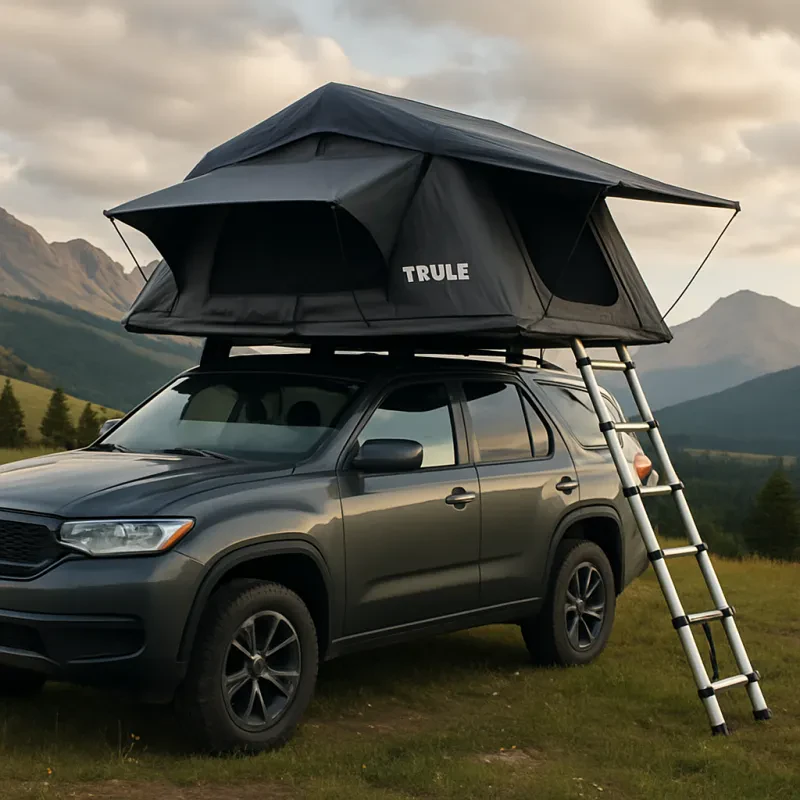
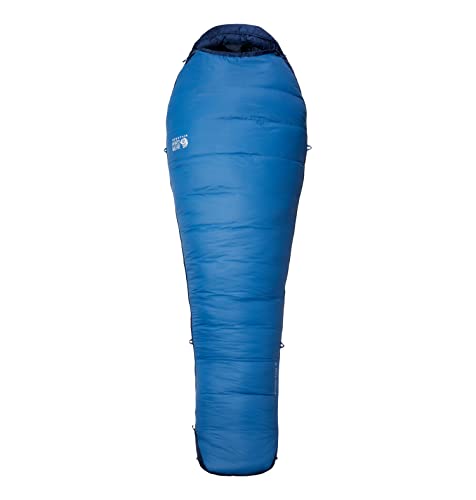
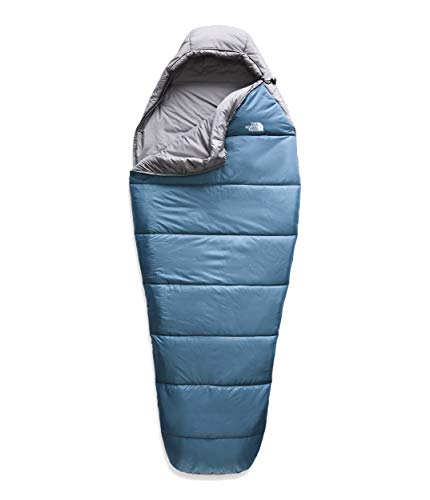
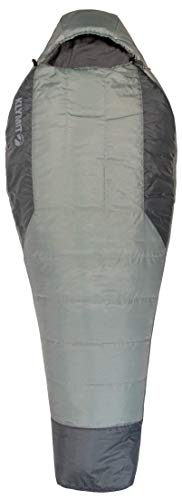
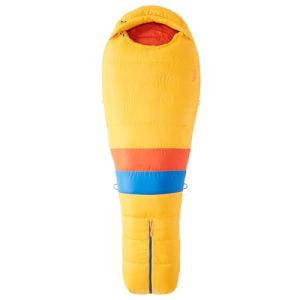
A sturdy and reliable tent is the foundation of a successful camping trip. Look for a tent that suits your needs in terms of size, weather resistance, and ease of setup. Don't forget to pack a groundsheet or tarp to protect the tent floor. Along with the tent, you'll need sleeping gear such as sleeping bags, sleeping pads, and pillows for a comfortable night's sleep.
2. Cooking Equipment
Cooking delicious meals in the great outdoors is one of the highlights of camping. Make sure to pack a portable stove or grill, along with pots, pans, and utensils. Don't forget essentials like a can opener, cutting board, and a sharp knife. If you prefer a more traditional approach, consider packing a campfire cooking grate and some cast-iron cookware.
3. Food and Water
Stock up on non-perishable food items that are easy to prepare and require minimal refrigeration. Canned goods, dried fruits, nuts, and energy bars are great options. Don't forget to bring plenty of drinking water or a water filtration system if you have access to a water source at the campsite.
4. Clothing and Personal Items
Pack appropriate clothing for the weather conditions at your campsite. Layering is key, as temperatures can fluctuate throughout the day. Don't forget essentials like comfortable hiking shoes, rain gear, hats, and sunglasses. Remember to bring personal items such as toiletries, sunscreen, insect repellent, and a first aid kit.
5. Lighting and Navigation
A reliable light source is essential for navigating around the campsite at night. Pack a headlamp or flashlight along with extra batteries. Consider bringing a portable lantern for ambient lighting. Additionally, don't forget to bring a map, compass, or GPS device to help you navigate the trails and explore the surrounding area.
Nice-to-Haves
1. Camping Chairs and Hammocks
Having a comfortable place to sit and relax is a luxury worth considering. Pack some foldable camping chairs or a lightweight hammock to create a cozy outdoor lounge area. It's the perfect spot to unwind, read a book, or simply enjoy the beauty of nature.
2. Campsite Entertainment
While camping is a great opportunity to disconnect from technology, it doesn't hurt to have some entertainment options. Consider bringing a deck of cards, board games, or a portable speaker for some music around the campfire. Outdoor activities like frisbee, badminton, or a football can also add some fun to your camping experience.
3. Portable Power Source
If you want to keep your electronic devices charged during your camping trip, a portable power source is a nice-to-have item. Look for a power bank or a solar charger to ensure you have enough juice for your phone, camera, or other gadgets.
4. Campsite Comfort
Enhance your camping comfort by packing items like camping pillows, blankets, and an air mattress or camping cot. These additions can make a significant difference in the quality of your sleep and overall relaxation.
5. Outdoor Gear
If you plan on engaging in outdoor activities like hiking, fishing, or kayaking, don't forget to pack the necessary gear. This may include hiking boots, fishing rods, tackle boxes, or kayaks. Research the activities available at your campsite and pack accordingly.
FAQ (Frequently Asked Questions)
1. Can I camp without a tent?
While a tent provides essential shelter, there are alternative options for camping. You can consider hammock camping or using a camping tarp to create a makeshift shelter. However, keep in mind that these options may not offer the same level of protection from the elements.
2. How much food should I bring for a camping trip?
The amount of food you should bring depends on the duration of your camping trip and the number of people. It's always better to overestimate rather than run out of food. Consider meal planning and packing non-perishable items that are easy to prepare.
3. Are campfires allowed at all campsites?
Campfire regulations vary depending on the campsite and local restrictions. Before your trip, check if campfires are permitted and if any firewood restrictions are in place.4. How do I choose the right camping spot?
When choosing a camping spot, consider factors such as proximity to water sources, level ground for tent setup, access to amenities (if desired), and privacy. Research the campsite in advance and read reviews from other campers to get an idea of the best spots within the campground.
5. What should I do with my trash while camping?
Proper waste management is crucial to preserve the natural beauty of the campsite. Pack trash bags and dispose of your waste in designated bins or take it with you when you leave. Avoid leaving any trash behind, as it can harm wildlife and the environment.
Conclusion
With the ultimate camping packing list at your disposal, you can now embark on your camping adventure with confidence. Remember to prioritize the essentials and consider the nice-to-haves that will enhance your camping experience. Plan ahead, pack smart, and don't forget to immerse yourself in the beauty of nature. Happy camping!